
Hibiscus Flower
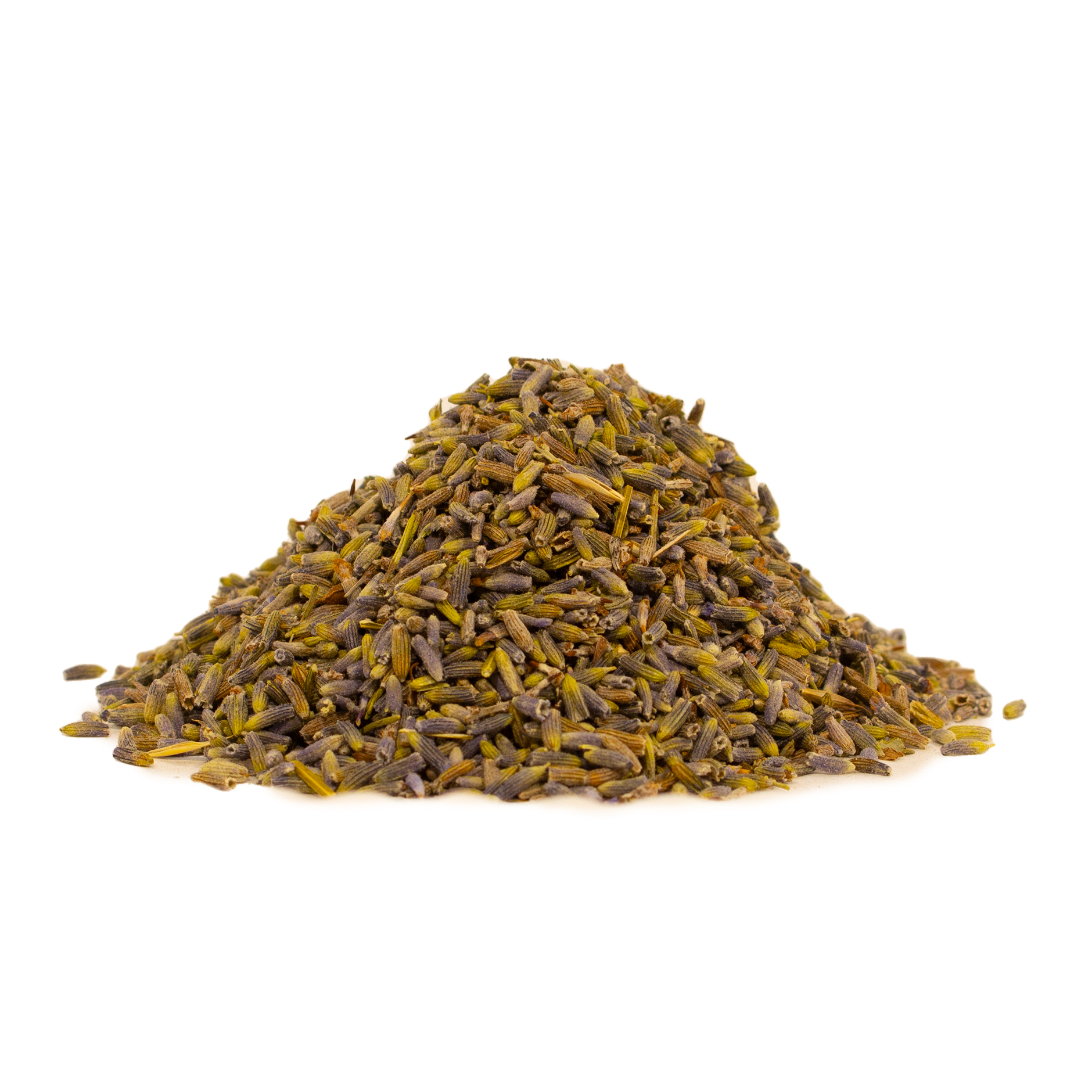
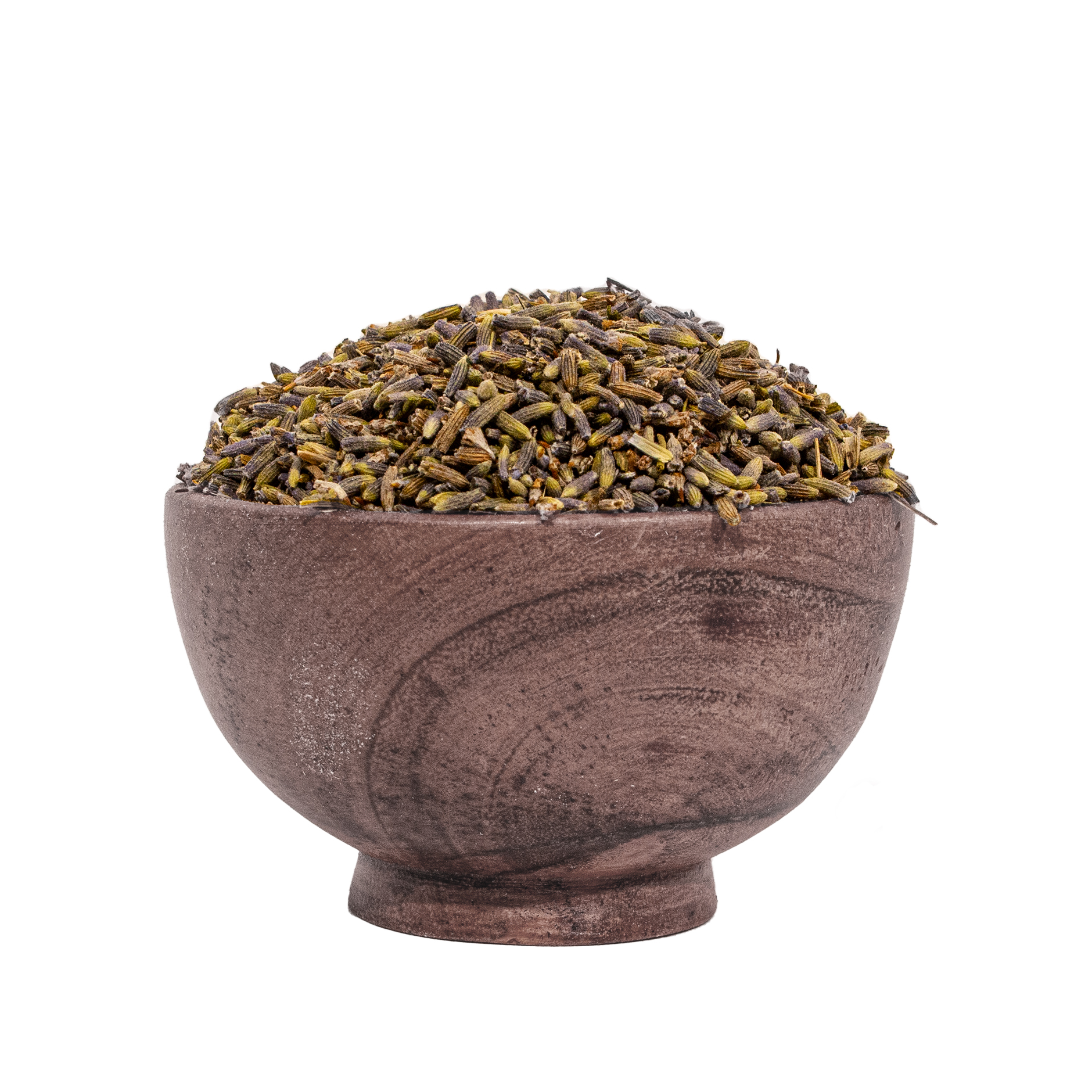
Lavender flowers are exquisite blooms that captivate the senses with their delicate beauty and enchanting fragrance. Belonging to the Lavandula genus, these flowers are renowned for their ornamental value and soothing aroma.
Lavender flowers are characterized by slender, elongated stems that bear clusters of small, tubular blossoms. These blossoms form dense spikes, creating a visual spectacle of soft and muted hues. Lavender flowers are commonly found in shades of purple, lavender, blue, and occasionally white, adding a touch of elegance and tranquility to any setting.
One of the most distinctive features of Lavender flowers is their captivating scent. The fragrance of Lavender is sweet, herbaceous, and instantly recognizable. Its aroma is often associated with relaxation, stress relief, and promoting a sense of well-being. The soothing scent of Lavender has made it a popular ingredient in perfumes, bath and body products, and home fragrances.
Beyond their visual and aromatic allure, Lavender flowers hold a rich cultural and historical significance. They symbolize serenity, purity, and grace and have been revered for their connection to tranquility and inner peace. Lavender flowers are often associated with meditation, spiritual practices, and rituals aimed at promoting calmness and harmony.
Lavender flowers have a timeless appeal that transcends borders and generations. They are beloved for their ability to transport the senses, evoke a sense of serenity, and create a peaceful ambiance. Whether used in floral arrangements, potpourri, or essential oils, Lavender flowers continue to be cherished for their delicate beauty and their ability to infuse spaces with a touch of natural elegance.
Lavender flowers, with their distinct fragrance and delicate flavor, have a range of culinary uses and properties. Here are some commonly attributed culinary uses and properties of lavender flowers:
Flavor Enhancer: Lavender flowers can be used as a flavor enhancer in various culinary creations. Their floral and slightly sweet taste adds a unique dimension to both sweet and savory dishes, imparting a subtle lavender essence.
Herbal Infusions and Tea Blends: Lavender flowers can be infused in hot water to create herbal infusions or added to tea blends. Lavender tea is known for its soothing and relaxing properties, making it a popular choice for unwinding and promoting restful sleep.
Baking and Desserts: Lavender flowers can be incorporated into baking recipes to infuse a floral aroma and taste into cakes, cookies, scones, and other desserts. They pair well with ingredients like lemon, honey, vanilla, and berries.
Culinary Garnish: Sprinkling a few dried lavender flowers on top of dishes can serve as an elegant and fragrant garnish. It adds visual appeal and a subtle lavender scent to salads, soups, roasted vegetables, and more.
Flavoring for Syrups and Sauces: Lavender flowers can be steeped in simple syrups or infused in sauces to add a floral note to beverages, cocktails, and desserts. Lavender-infused syrups are commonly used in lemonades, iced teas, and cocktails.
Herbed Butter or Seasoning: Dried lavender flowers can be finely ground and mixed with softened butter to create a unique lavender-infused butter. It can be spread on bread or used as a finishing touch for grilled meats, seafood, or roasted vegetables. Additionally, dried lavender flowers can be blended with other herbs to create custom seasoning blends.
When using lavender flowers in cooking, it’s important to use them sparingly, as their flavor can be potent. Start with small amounts and adjust to taste, as too much lavender can overpower the dish. Also, ensure that the lavender flowers are culinary-grade and free from pesticides or other contaminants.
Remember, personal tastes may vary, so it’s always a good idea to experiment and find the right balance of lavender flavor that suits your preferences.
Lavender flowers, scientifically known as Lavandula angustifolia, have long been valued for their medicinal and health benefits. Here are some commonly attributed properties and potential benefits of lavender flowers:
Relaxation and Stress Reduction: Lavender is renowned for its calming and soothing effects on the mind and body. The aroma of lavender flowers has been shown to promote relaxation, reduce anxiety, and alleviate stress. Lavender essential oil or lavender-infused products are often used in aromatherapy for their relaxation-inducing properties.
Sleep Aid: Lavender is frequently used to support healthy sleep patterns. It may help improve the quality of sleep, reduce insomnia, and enhance overall sleep duration. The relaxing scent of lavender flowers is commonly utilized in pillow sprays, bath products, and diffusers to promote a restful night’s sleep.
Mood Enhancement: In aromatherapy, lavender is believed to have mood-enhancing properties. The inhalation or application of lavender oil or lavender-infused products is thought to promote a sense of calmness, uplift the mood, and potentially alleviate symptoms of mild depression or emotional imbalance.
Skin Care: Lavender flowers have been used in skincare for their potential benefits. They possess antiseptic and anti-inflammatory properties that may help soothe and heal various skin conditions, including acne, eczema, and minor burns. Lavender-infused creams, lotions, and oils are commonly used topically for their skin-calming effects.
Headache and Pain Relief: Lavender has been traditionally used to alleviate headaches and minor pains. Its analgesic properties may help reduce tension, ease muscle discomfort, and provide relief from headaches or migraines. Lavender-infused balms or compresses can be applied topically to the affected area for potential pain relief.
Digestive Support: Lavender flowers are sometimes used to support digestive health. They may help relieve digestive discomfort, reduce bloating, and support a healthy digestive system. Lavender tea or lavender-infused culinary recipes can be consumed for potential digestive benefits.
It’s important to note that while lavender flowers have a long history of traditional use and some scientific evidence supporting their potential benefits, individual results may vary. It’s always advisable to consult with a healthcare professional before using lavender flowers or lavender products for specific health concerns, especially if you have underlying medical conditions or are taking medications.
In metaphysical and magical belief systems, lavender flowers are associated with various symbolic and energetic properties. Here are some commonly attributed magickal and metaphysical properties and uses of lavender flowers:
Purification and Cleansing: Lavender is believed to possess purifying and cleansing energies. It is often used in rituals or spellwork to cleanse the aura, spaces, or objects of negative or stagnant energy, promoting a sense of freshness and renewal.
Relaxation and Calming: Lavender is associated with relaxation, tranquility, and peace. Its soothing aroma and energy are believed to help reduce stress, anxiety, and restlessness. Lavender flowers or lavender-infused products are used to create a calming atmosphere or aid in meditation and spiritual practices.
Protection and Warding Off Negativity: Lavender is regarded as a protective herb in metaphysical practices. It is believed to ward off negative energies, psychic attacks, and unwanted influences. Lavender can be used in charms, sachets, or ritual tools to create a protective barrier or enhance personal boundaries.
Love and Romance: Lavender is often associated with love, romance, and matters of the heart. It can be used in spells, rituals, or charms to attract love, enhance romantic relationships, or promote self-love and acceptance.
Divination and Psychic Abilities: Lavender is sometimes used to enhance divination practices and psychic abilities. It is believed to open channels of intuition, enhance clairvoyance, and promote spiritual insights. Lavender can be incorporated into rituals, baths, or meditation to aid in divination or psychic development.
Healing and Well-being: Lavender is renowned for its healing properties in metaphysical practices. It is associated with emotional healing, inner peace, and overall well-being. Lavender can be used in rituals, spells, or energy work to promote emotional balance, relieve grief, or support inner healing processes.
Communication and Expression: Lavender is linked to effective communication and self-expression. It is believed to aid in clear and authentic communication, enhancing one’s ability to express thoughts, feelings, and ideas. Lavender flowers or essential oil can be used to create an atmosphere conducive to open and honest communication.
These metaphysical properties and uses of lavender flowers are based on belief systems, folklore, and cultural traditions. It’s important to approach these practices with personal discretion, respect for one’s own spiritual and cultural background, and an understanding of one’s intentions and ethical considerations.
Ingredients:
- 1 tablespoon dried lavender flowers
- 1 teaspoon dried chamomile flowers
- 1 teaspoon dried lemon balm leaves
- 1 teaspoon dried peppermint leaves
- Honey or a natural sweetener (optional)
- Water
Instructions:
- Bring 2 cups of water to a boil in a saucepan or kettle.
- Add the dried lavender flowers to the boiling water.
- Reduce the heat to low and let the mixture simmer for about 5 minutes to infuse the lavender flavor.
- After 5 minutes, remove the saucepan from the heat.
- Add the chamomile flowers, lemon balm leaves, and peppermint leaves to the saucepan.
- Cover the saucepan with a lid and let the herbs steep for an additional 5 minutes.
- Strain the tea into your cup or teapot, using a fine-mesh strainer or a tea infuser.
- If desired, add honey or a natural sweetener to taste.
- Stir well to dissolve the sweetener.
- Allow the tea to cool slightly before enjoying.
This herbal tea blend offers a harmonious combination of floral and herbal flavors. Lavender provides a subtle and calming floral note, while chamomile adds a soothing and gentle flavor. Lemon balm contributes a citrusy and refreshing taste, and peppermint brings a cool and invigorating twist to the blend.
Feel free to adjust the measurements or experiment with other herbs based on your personal preferences. You can also garnish the tea with a fresh lavender sprig or a slice of lemon for an extra touch of elegance. Remember to consult with a healthcare professional before trying any herbal remedies, especially if you have specific health conditions or are taking medications.
- 100% Organic
| Size | 1oz, 4oz |
|---|
Only logged in customers who have purchased this product may leave a review.

Reviews
There are no reviews yet.