
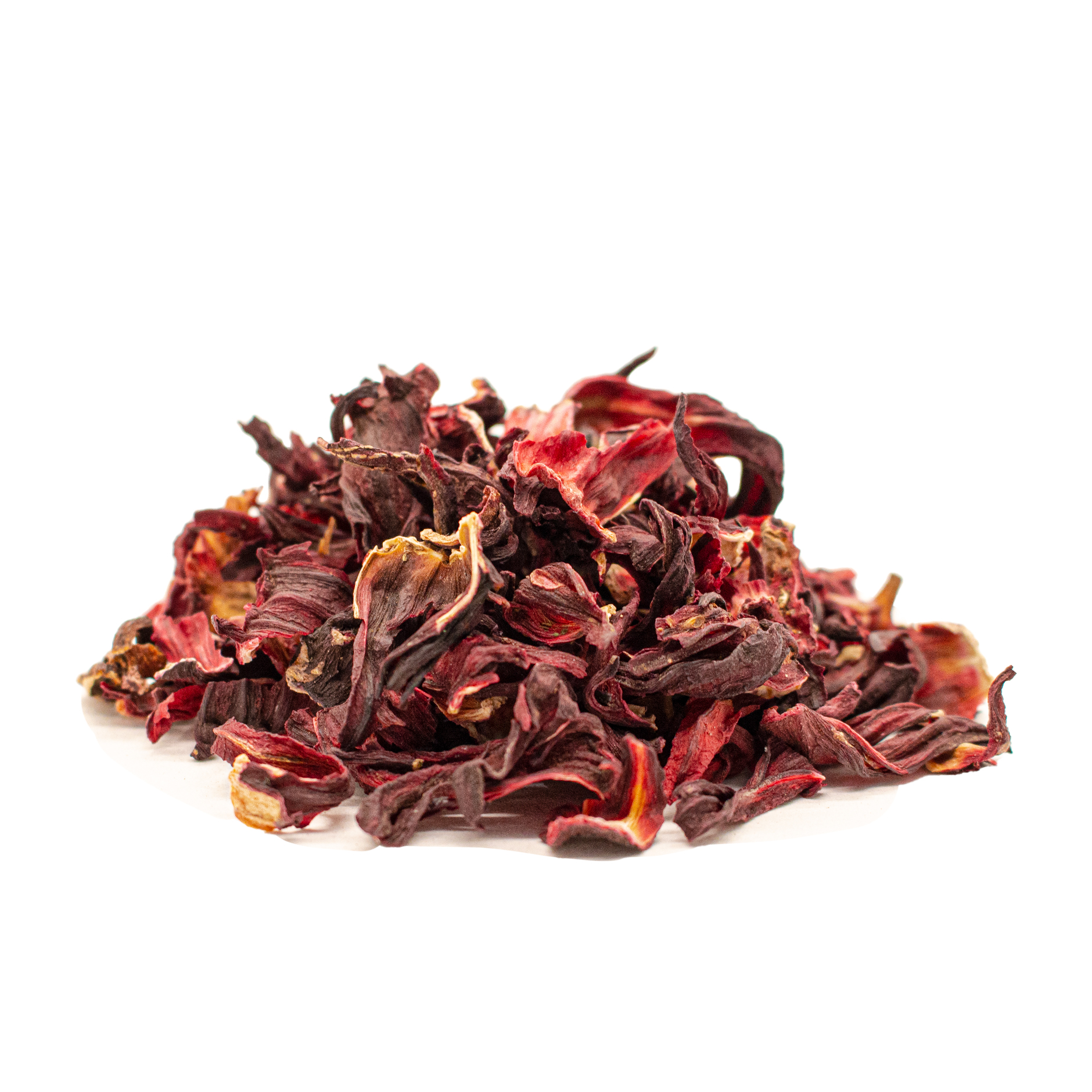
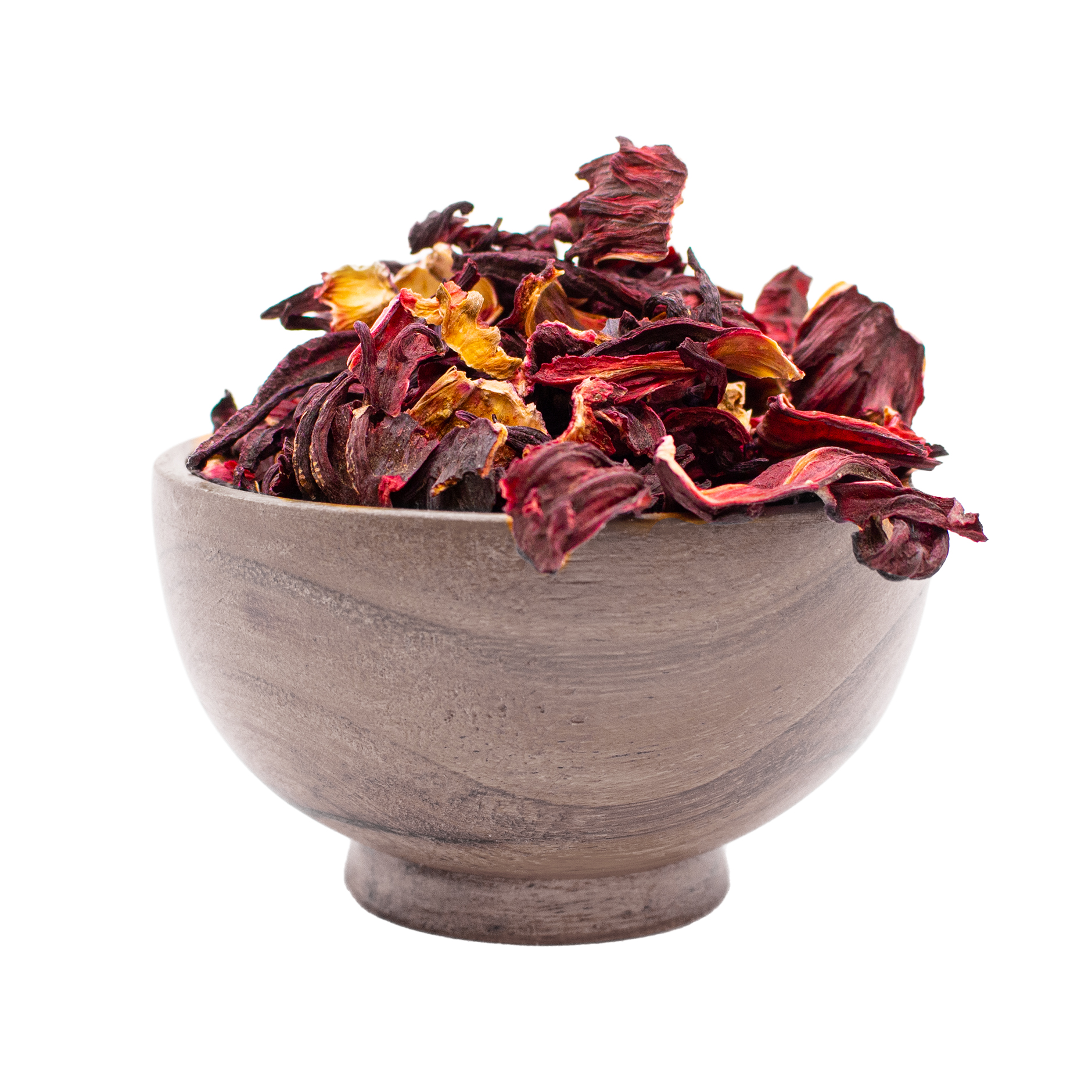
Hibiscus Flower
Hibiscus flowers are known for their vibrant and colorful appearance, which makes them a popular ornamental plant in gardens and landscapes. These flowers can be found in a variety of shades, including red, pink, yellow, and white. Hibiscus plants are native to tropical and subtropical regions, and they thrive in warm and humid environments.
Aside from their aesthetic appeal, hibiscus flowers are also prized for their unique and tangy flavor. In some cultures, hibiscus is used to make a popular tea known as “hibiscus tea” or “sour tea,” which is made by steeping the dried flowers in hot water. The resulting beverage is tart and refreshing, and is often sweetened with honey or sugar.
In addition to their culinary uses, hibiscus flowers have a long history of cultural significance in many parts of the world. In some cultures, hibiscus flowers are used in traditional ceremonies and festivals, and are associated with fertility, love, and celebration. In other cultures, hibiscus is believed to have spiritual and metaphysical properties, and is used in rituals and spells for protection, divination, and manifestation.
Overall, hibiscus flowers are a versatile and beloved herb that are valued for their beauty, flavor, and cultural significance. Whether enjoyed as a tea, used in cooking, or incorporated into spiritual practices, hibiscus flowers are a cherished and meaningful plant that has captured the hearts and imaginations of people around the world.
Hibiscus flowers have a tart, citrusy flavor that makes them a popular ingredient in various culinary applications. One of the most popular ways to use hibiscus flowers is to make tea, which is consumed both hot and cold. The tea can be sweetened with honey or sugar to taste, or mixed with other herbs and spices such as ginger or mint for added flavor.
In addition to tea, hibiscus flowers can be used to make syrups, jams, and jellies. The flowers are cooked down with sugar and water to create a thick, sweet syrup that can be used to flavor cocktails or poured over ice cream. Hibiscus jam and jelly are also popular in many cultures, and can be used as a spread on toast or as a topping for yogurt or oatmeal.
Hibiscus flowers can also be used in savory dishes, particularly in Mexican and Caribbean cuisine. The flowers are often used to flavor rice dishes and stews, and can also be added to marinades for meat and poultry. In addition, hibiscus flowers can be dried and ground into a powder, which can be used as a natural food coloring or added to baked goods for a pop of color and flavor.
Overall, hibiscus flowers are a versatile and flavorful ingredient that can add a unique twist to a wide range of culinary creations
Hibiscus flowers have a wide range of medicinal benefits, and have been used for centuries in traditional medicine practices. Here are some of the most well-known medicinal benefits of hibiscus flowers:
-
High in antioxidants: Hibiscus flowers are rich in antioxidants, which help protect the body from damage caused by harmful molecules called free radicals. This makes hibiscus tea a great choice for promoting overall health and wellness.
-
Lowers blood pressure: Hibiscus has been shown to have a blood pressure-lowering effect, which can help reduce the risk of heart disease and stroke. Drinking hibiscus tea regularly can help promote healthy blood pressure levels.
-
Reduces inflammation: Hibiscus flowers have anti-inflammatory properties, which can help reduce inflammation throughout the body. This makes hibiscus tea a great choice for those dealing with inflammatory conditions like arthritis and digestive disorders.
-
Promotes weight loss: Hibiscus tea has been shown to have a mild diuretic effect, which can help reduce water weight and bloating. It also contains compounds that inhibit the production of amylase, an enzyme that breaks down carbohydrates, which can help promote weight loss.
-
Supports liver health: Hibiscus flowers have hepatoprotective properties, which means they help protect the liver from damage caused by toxins and inflammation. Drinking hibiscus tea regularly can help support overall liver health and function.
Hibiscus flowers can be used in a variety of ways to harness their medicinal benefits. One of the most popular ways to use hibiscus is by brewing it into a tea. To make hibiscus tea, steep dried hibiscus flowers in hot water for several minutes. You can also mix hibiscus flowers with other herbs to create a custom tea blend.
In addition to tea, hibiscus flowers can be added to smoothies, juices, and other beverages. They can also be used as a natural food coloring agent or as a decorative garnish for desserts and other dishes.
It’s important to note that while natural herbs like hibiscus flowers can offer a variety of health benefits, they should never be used as a substitute for professional medical advice or treatment. Before incorporating any new herbs or supplements into your routine, it’s always best to consult with a healthcare provider to determine whether they’re safe for you to use and to discuss any potential interactions with other medications you may be taking.
Additionally, it’s worth noting that while hibiscus flowers are generally considered safe for most people, there are certain groups who should exercise caution when using them. Pregnant or breastfeeding women, for example, should avoid using hibiscus flowers in large amounts, as they may have an effect on hormone levels. People with certain health conditions, such as kidney disease or low blood pressure, should also be cautious when using hibiscus flowers, as they may exacerbate these conditions
Hibiscus can be used in magickal and metaphyscial practices:
-
Love spells: Hibiscus flowers can be used in love spells to attract a romantic partner or to deepen the bond in an existing relationship. Simply incorporate the dried flowers into a spell or charm bag, or use them to create a love potion or tea.
-
Divination: Hibiscus flowers can be used in divination practices, as they are believed to enhance intuition and psychic abilities. You can use hibiscus flowers in a tea or tincture to help facilitate psychic visions or to enhance your ability to connect with your spiritual guides.
-
Protection: Hibiscus is believed to have protective properties and can be used to ward off negative energy or to protect against psychic attacks. You can burn dried hibiscus flowers as an incense or carry them with you in a sachet or charm bag.
-
Beauty and Youthfulness: Hibiscus is also associated with beauty and can be used in glamour spells to enhance your physical appearance or to boost your confidence. You can create a beauty oil or salve infused with hibiscus flowers, or incorporate the dried flowers into a bath ritual for a luxurious and indulgent self-care experience.
It’s important to note that while hibiscus can be a powerful tool in magickal practices, it should always be used with intention and respect for the plant’s energy and spirit. As with any magickal practice, it’s important to approach it with reverence and mindfulness, and to always use your powers for good.
Hibiscus Berry Tea Blend
Ingredients:
1 cup dried hibiscus flowers
1/4 cup dried rosehips
1/4 cup dried elderberries
1/4 cup dried currants
2 tablespoons dried orange peel
2 tablespoons dried lemon peel
2 tablespoons dried ginger root
Instructions:
In a large mixing bowl, combine all the ingredients.
Mix well until all the ingredients are evenly distributed.
Store the tea blend in an airtight container in a cool, dry place.
To make the tea:
Bring 2 cups of water to a boil.
Add 2-3 tablespoons of the tea blend to a tea strainer or infuser.
Place the tea strainer or infuser in a mug.
Pour the boiling water over the tea.
Steep for 5-10 minutes, depending on how strong you like your tea.
Remove the tea strainer or infuser and enjoy!
This tea blend is fruity and tangy, with a refreshing tartness from the hibiscus. The combination of elderberries, rosehips, and currants adds a natural sweetness to the tea, while the orange peel, lemon peel, and ginger add a hint of spice and warmth. This tea can be enjoyed hot or iced, and can be sweetened with honey or other natural sweeteners if desired.
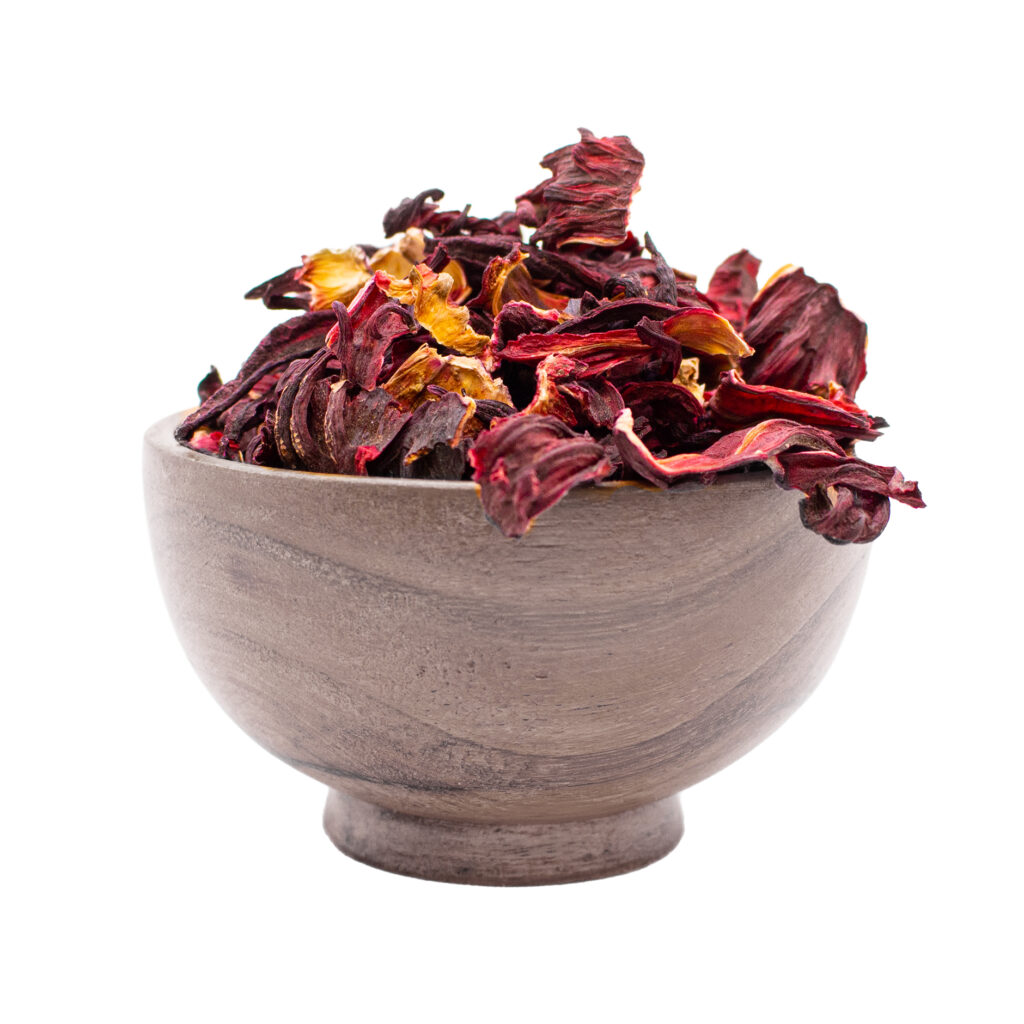
- 100% Organic - OEFFA Certified
- Origin: Egypt
| Size | 1oz, 4oz |
|---|
Only logged in customers who have purchased this product may leave a review.



Reviews
There are no reviews yet.