

Dandelion Root
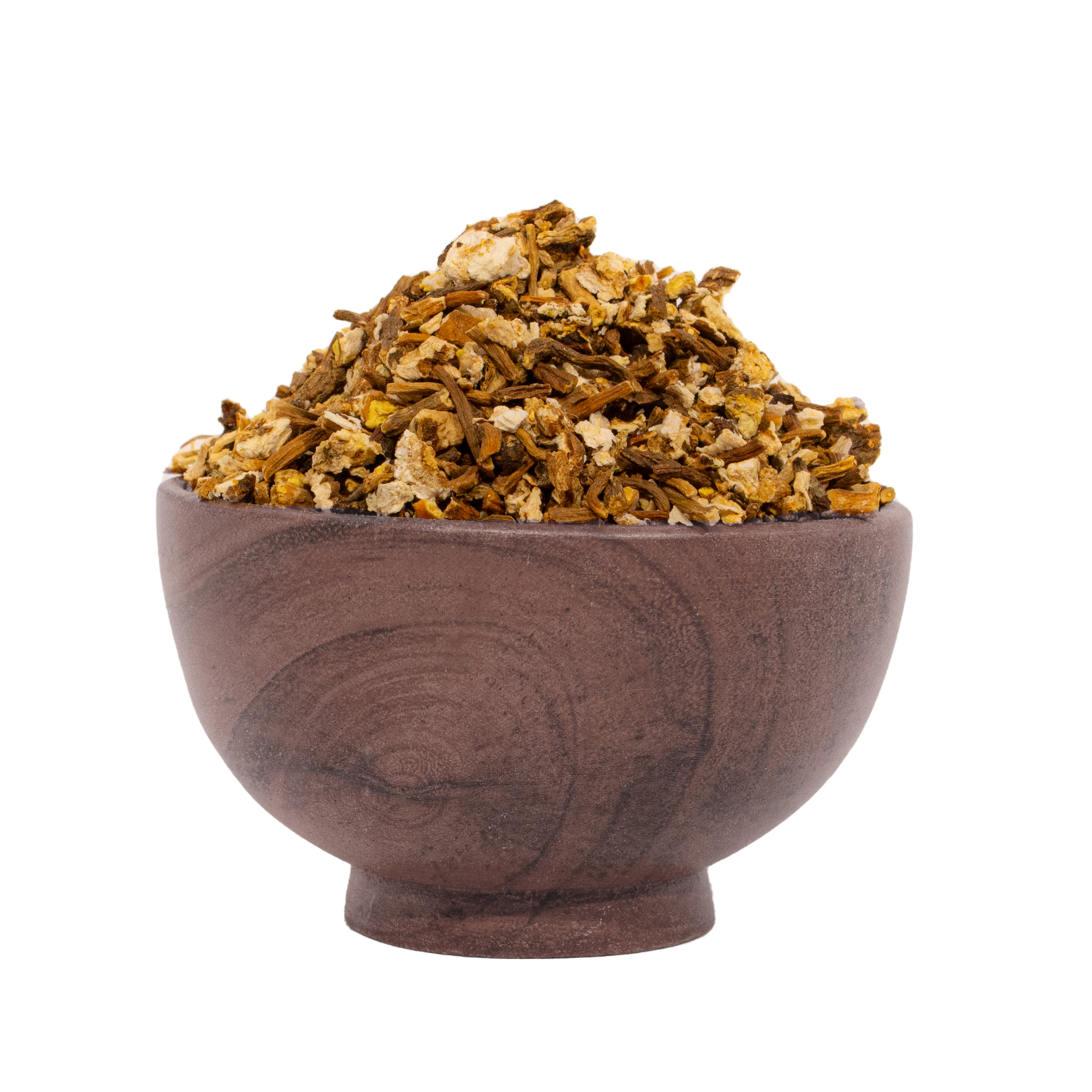
Dandelion root is the underground part of the common dandelion plant (Taraxacum officinale), a flowering herbaceous plant native to Europe and Asia but now found worldwide. The root is typically long, slender, and brownish in color, branching out into smaller roots.
Dandelion root has a taproot structure, meaning it grows deep into the ground, allowing the plant to access nutrients from the soil. It is known for its ability to withstand various environmental conditions and is often considered a hardy and resilient plant.
The root has a slightly bitter and earthy taste, which is why it is sometimes used as an ingredient in herbal teas or coffee substitutes. It can be dried, roasted, or ground into powder form for different purposes. Dandelion root is also sometimes used as a natural dye, producing a vibrant yellow color.
In its natural state, dandelion root has a fibrous texture and a distinct aroma. It is often harvested in the fall or early spring when the plant is dormant, ensuring the highest concentration of beneficial compounds. The roots are typically washed, dried, and processed for various applications.
While dandelion root is often praised for its potential health benefits, including its use as a herbal remedy and as an ingredient in culinary preparations, this description focuses solely on its physical characteristics and general properties.
Dandelion root is known for its potential medicinal benefits and has been used in traditional medicine for various purposes. Here are some of the commonly attributed medicinal benefits and uses of dandelion root:
Liver Health: Dandelion root is believed to support liver health by promoting the production and flow of bile. It may help improve liver function and aid in detoxification processes. Some studies suggest that dandelion root extract may have hepatoprotective properties.
Digestive Aid: Dandelion root has traditionally been used to stimulate digestion and relieve symptoms such as bloating, indigestion, and constipation. It is thought to have mild laxative and diuretic properties, potentially supporting healthy bowel movements and water balance.
Anti-Inflammatory Effects: Dandelion root contains compounds with potential anti-inflammatory properties. It may help reduce inflammation in the body, which could be beneficial for conditions such as arthritis or inflammatory bowel disease. However, more research is needed to fully understand its mechanisms and effectiveness in treating these conditions.
Diuretic Properties: Dandelion root is considered a natural diuretic, which means it may increase urine production and help eliminate excess water from the body. This property has led to its traditional use for conditions like water retention, edema, and urinary tract infections.
Antioxidant Activity: Dandelion root is rich in antioxidants, such as flavonoids and phenolic compounds, which can help protect cells from oxidative stress and damage caused by free radicals. Antioxidants play a role in supporting overall health and reducing the risk of chronic diseases.
It’s important to note that while dandelion root has a long history of traditional use and some preliminary scientific evidence, more research is needed to fully understand its effectiveness and potential side effects. As with any herbal remedy, it is advisable to consult with a healthcare professional before using dandelion root for medicinal purposes, especially if you have any underlying health conditions or are taking medications
Dandelion root has culinary uses that can enhance the flavors and textures of dishes. It can be steeped in hot water to create herbal infusions with a slightly bitter and earthy taste, commonly used as a base for herbal teas or blended with other herbs for more complex flavors. Roasted dandelion root can be ground and brewed as a coffee substitute, offering a rich and robust flavor reminiscent of coffee without the caffeine.
Dandelion root can also be dried and ground into a powder, which serves as a culinary seasoning. It imparts a slightly bitter and earthy taste to soups, stews, roasted vegetables, and grain-based dishes. Culinary enthusiasts may even incorporate dandelion root in fermentation processes to contribute to the flavors and complexity of homemade beers or wines.
While the primary focus of dandelion root lies outside the culinary realm, it does offer some benefits when used in cooking. Firstly, it adds a unique and slightly bitter taste that enhances the overall flavor profile of dishes. Additionally, dandelion root contains various nutrients such as vitamins A, C, and K, as well as minerals like calcium, iron, and potassium. Including dandelion root in recipes can provide some additional nutritional value.
Utilizing dandelion root in culinary applications allows for culinary exploration and experimentation, introducing new flavors and ingredients into dishes. However, it’s important to consider that the flavor of dandelion root can be an acquired taste due to its bitterness. As with any ingredient, moderation and personal preference should guide its use in culinary preparations.
In summary, dandelion root offers culinary uses such as herbal infusions, coffee substitutes, culinary seasonings, and potential nutritional benefits. Its unique flavor and nutrient content provide an opportunity for culinary exploration and adding diversity to dishes.
In various metaphysical and magical belief systems, dandelion root is associated with several symbolic and energetic properties. Here are some commonly attributed metaphysical uses or properties of dandelion root:
Wishes and Divination: Dandelion fluff, the white puffy seed heads that appear after the flower blooms, is often associated with making wishes. Blowing the seeds off a dandelion is believed to carry your wishes and intentions into the universe. Dandelion root can be used in divination practices, such as tea leaf reading or scrying, to gain insights or clarity.
Transformation and Resilience: Dandelions are known for their ability to grow in diverse environments and to adapt to changes. As such, dandelion root is often associated with qualities of transformation, resilience, and the ability to thrive even in challenging circumstances. It can be used symbolically to support personal growth, adaptability, and overcoming obstacles.
Psychic Abilities and Intuition: Dandelion root is sometimes believed to enhance psychic abilities and intuition. It is thought to open channels of communication with the spiritual realm, enhancing one’s connection to higher consciousness and facilitating intuitive insights.
Purification and Cleansing: Dandelion root is associated with purification and cleansing rituals. It is believed to have the ability to clear negative energy, both within oneself and in physical spaces. Some traditions suggest using dandelion root in bath rituals or smudging practices to promote energetic purification.
Prosperity and Abundance: Dandelions are often seen as symbols of abundance and prosperity. Dandelion root can be used in rituals or spellwork focused on attracting wealth, good fortune, and success. It is believed to invite positive energies related to financial stability and abundance into one’s life.
It’s important to note that the metaphysical uses and properties of dandelion root are based on beliefs and cultural traditions, and their effectiveness can vary among individuals. These practices are not supported by scientific evidence and should be approached with personal discretion and respect for one’s own spiritual and cultural background
Dandelion Root Tea Blend
Ingredients:
- 1 teaspoon dried dandelion root
- 1 teaspoon dried chamomile flowers
- 1 teaspoon dried peppermint leaves
- 1 teaspoon dried lemon balm leaves
- Honey or a natural sweetener (optional)
- Water
Instructions:
- Boil 2 cups of water in a saucepan or kettle.
- Add the dried dandelion root to the boiling water.
- Reduce the heat to low and let the mixture simmer for about 10 minutes, allowing the dandelion root to infuse.
- After 10 minutes, remove the saucepan from the heat.
- Add the chamomile flowers, peppermint leaves, and lemon balm leaves to the saucepan.
- Cover the saucepan with a lid and let the herbs steep for an additional 5 minutes.
- Strain the tea into your cup or teapot, using a fine-mesh strainer or a tea infuser.
- If desired, add honey or a natural sweetener to taste.
- Stir well to dissolve the sweetener.
- Enjoy your dandelion root herbal tea while it’s warm.
Feel free to adjust the measurements or experiment with other herbs according to your taste preferences. You can also garnish the tea with a slice of lemon or a sprig of fresh mint for added freshness. Remember to consult with a healthcare professional before trying any herbal remedies, especially if you have specific health conditions or are taking medications.
- 100% Organic
| Size | 1oz, 4oz |
|---|
Only logged in customers who have purchased this product may leave a review.

Reviews
There are no reviews yet.