

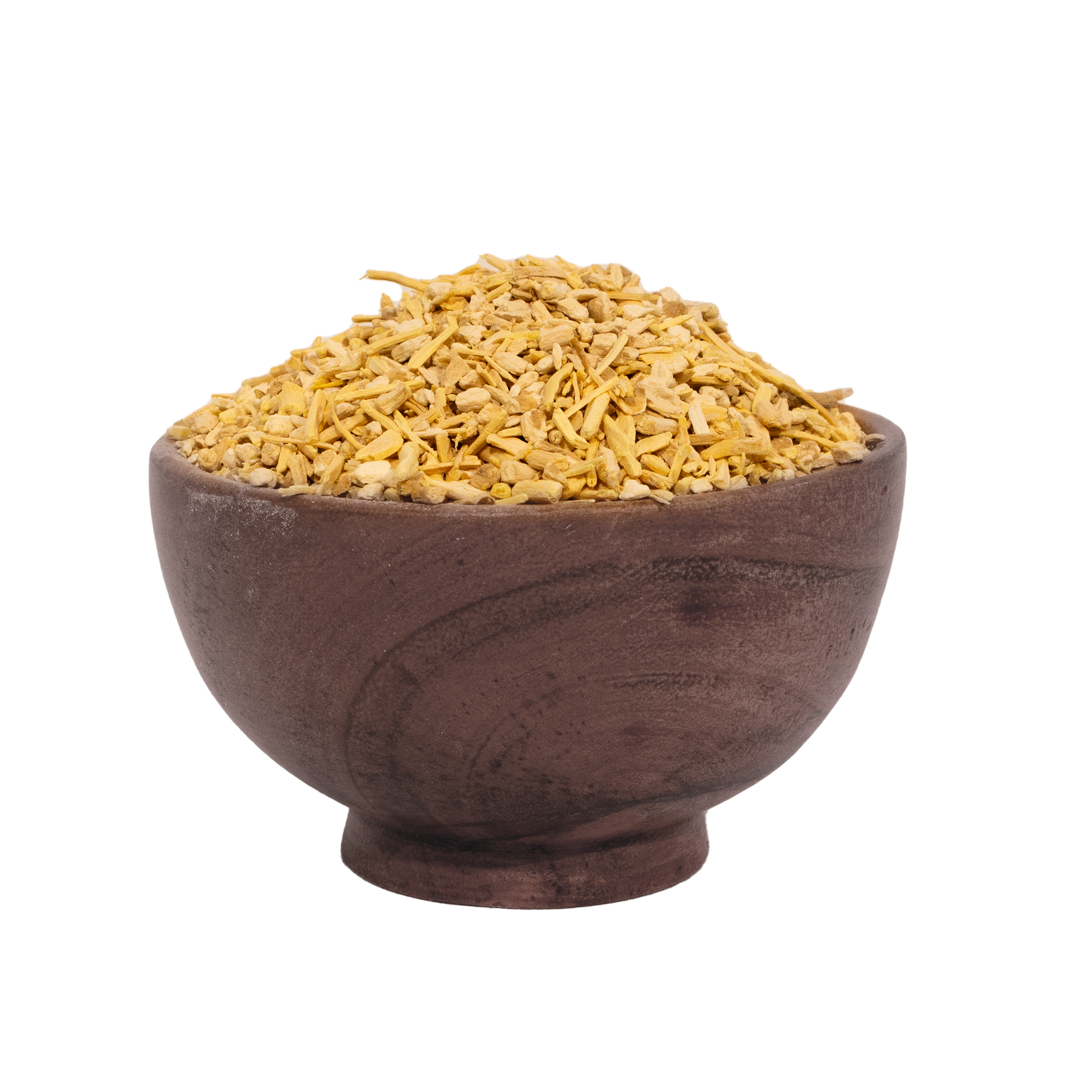
Ashwagandha Root
Ashwagandha root, scientifically known as Withania somnifera, is a revered herb with a long history of traditional use in Ayurvedic medicine. This small shrub, native to the dry regions of India, Pakistan, and Sri Lanka, produces a tuberous root that holds great significance.
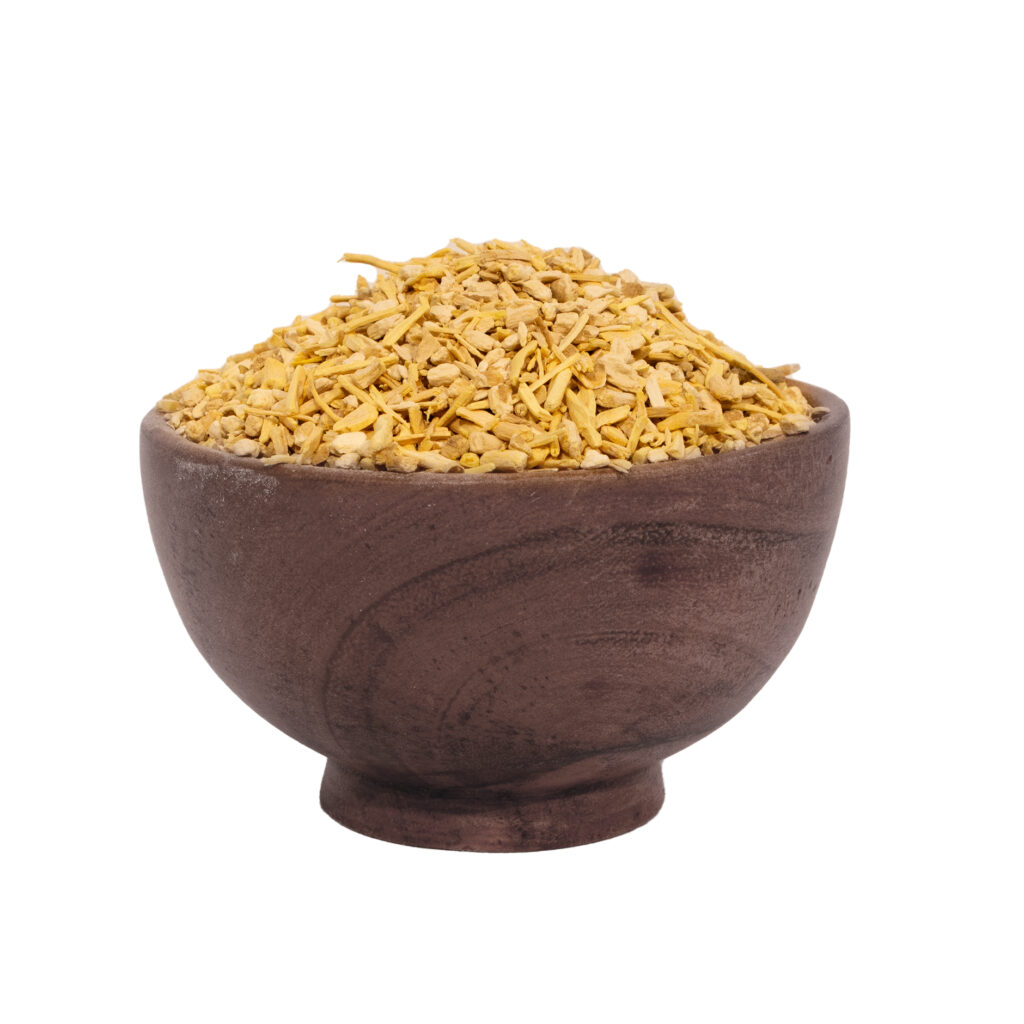
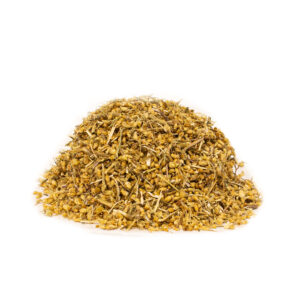
Ashwagandha root has a woody appearance and a distinct aroma that has earned it the name “ashwagandha,” meaning “smell of the horse” in Sanskrit. The root is the most utilized part of the plant and is harvested and dried to create various forms, including powders, extracts, capsules, and teas.
The root has a bitter taste and a slightly fibrous texture. It is often ground into a fine powder, making it convenient for use in various applications. Ashwagandha root powder is widely employed in herbal preparations and formulations due to its versatility and potential benefits.
In traditional Ayurvedic practices, ashwagandha root is highly valued for its adaptogenic properties. It is believed to help the body adapt and respond to physical and mental stressors, promoting overall well-being. Ashwagandha root is considered a grounding herb, helping to restore balance and vitality.
Beyond its potential health benefits, ashwagandha root has gained popularity for its culinary uses. In some cultures, the root is used as a flavoring agent in certain dishes or as an ingredient in herbal teas and beverages. Its unique taste adds a distinct earthy and slightly bitter note to culinary creations.
Ashwagandha root holds cultural and historical significance, and its popularity continues to grow as more people discover its potential benefits. Whether used for its adaptogenic properties, culinary purposes, or other applications, ashwagandha root remains a highly regarded herb that has stood the test of time.
Ashwagandha root (Withania somnifera) is renowned for its potential medicinal benefits. While it’s important to note that individual experiences may vary, and scientific research is ongoing, here are some of the commonly recognized medicinal benefits associated with Ashwagandha root:
Adaptogenic Properties: Ashwagandha is considered an adaptogenic herb, meaning it may help the body adapt and respond to stressors, both physical and mental. It is believed to support the body’s stress response system and promote overall resilience.
Energy and Vitality: Ashwagandha is often used to combat fatigue, boost energy levels, and enhance vitality. It is believed to help improve physical endurance and stamina, supporting overall energy levels and well-being.
Relaxation and Calming Effects: Ashwagandha may promote relaxation and have calming effects on the body and mind. It is often used to help reduce anxiety, stress, and promote a sense of calmness.
Cognitive Function: Ashwagandha is reputed to support cognitive function and brain health. It may help enhance memory, concentration, and mental clarity, potentially aiding in cognitive tasks and overall mental performance.
Sleep Aid: Ashwagandha is sometimes used as a natural sleep aid. It may help improve the quality of sleep, promote relaxation before bedtime, and support healthy sleep patterns.
Immune System Support: Ashwagandha is believed to possess immune-modulating properties, potentially supporting the body’s natural defense mechanisms and overall immune system health.
Joint and Musculoskeletal Health: Ashwagandha is occasionally used to support joint health and may help alleviate occasional discomfort related to the musculoskeletal system.
Male Sexual Health: Ashwagandha has been traditionally used to support male reproductive health. It may help support healthy testosterone levels, enhance fertility, and promote overall sexual well-being.
It’s important to remember that Ashwagandha root’s medicinal benefits are based on traditional use and anecdotal evidence, as well as some scientific studies. If considering using Ashwagandha root for its potential medicinal effects, it is advisable to consult with a qualified healthcare practitioner or herbalist to ensure safe and appropriate usage, especially if you have any underlying health conditions or are taking medications.
In various belief systems and spiritual practices, Ashwagandha is attributed with certain magickal and metaphysical properties. It is important to note that these properties are based on folklore, spiritual beliefs, and subjective experiences. Here are some associations and uses often associated with Ashwagandha from a metaphysical and magickal perspective:
Grounding and Balancing: Ashwagandha is believed to possess grounding properties, helping to anchor one’s energy and promote a sense of stability. It may assist in finding balance between the physical and spiritual aspects of life.
Protection and Warding: Ashwagandha is sometimes associated with protective energies and is used in rituals or spells aimed at creating a shield of spiritual or energetic protection. It may be employed to ward off negative influences or harmful energies.
Enhancing Intuition and Psychic Abilities: Ashwagandha is said to stimulate and amplify intuitive abilities, heightening one’s connection to higher consciousness. It may be used in practices aimed at enhancing psychic abilities, divination, or spiritual insight.
Amplifying Energy Work: Ashwagandha is believed to enhance energy work, such as meditation, yoga, or other spiritual practices. It may help to deepen one’s connection to inner wisdom, higher realms, or spiritual guides.
Promoting Inner Strength and Willpower: Ashwagandha is associated with empowering energies, fostering inner strength, and increasing willpower. It may be utilized in rituals or spells aimed at boosting personal power, confidence, and determination.
Dreamwork and Lucid Dreaming: Ashwagandha is sometimes connected with dreamwork and enhancing the dream experience. It may be used in rituals, dream pillows, or teas to facilitate vivid dreams, lucid dreaming, or spiritual insights during sleep.
Enhancing Meditation and Mindfulness: Ashwagandha is believed to support deep states of relaxation and focus, making it valuable in meditation and mindfulness practices. It may help quiet the mind and facilitate a heightened sense of presence and awareness.
As with any magickal or metaphysical practices, individual experiences and beliefs may vary. It is important to approach these uses with respect, intention, and personal discernment. If you are interested in incorporating Ashwagandha into your spiritual or magickal practices, it is recommended to research further, consult with experienced practitioners, or explore relevant spiritual texts for guidance and insights.
Ashwagandha root is primarily known for its medicinal properties and is not commonly used as a culinary ingredient. The root has a bitter taste and fibrous texture, which makes it less suitable for direct culinary use. However, in certain traditional recipes and Ayurvedic preparations, Ashwagandha root may be used in small quantities as a flavoring agent or as an ingredient in herbal formulations.
In Ayurvedic cuisine, which focuses on the balance and harmony of the body and mind, Ashwagandha root might be incorporated into specialized dishes or herbal concoctions. It is often combined with other herbs, spices, and ingredients to create medicinal tonics, elixirs, or powders.
That being said, due to its strong and bitter taste, Ashwagandha root is typically consumed in more palatable forms such as powdered extracts, capsules, or as an ingredient in herbal teas or supplements. These preparations allow for easier consumption and better incorporation into daily routines.
If you are interested in exploring culinary uses of Ashwagandha, it’s important to consider the taste profile and find ways to balance its bitterness with other ingredients or flavors. However, it’s recommended to consult with a knowledgeable herbalist or Ayurvedic practitioner for specific guidance on culinary applications and suitable combinations.
Ingredients:
- 1 teaspoon Ashwagandha root powder
- 1 teaspoon dried chamomile flowers
- 1 teaspoon dried lavender flowers
- 1 teaspoon dried lemon balm leaves
- 1 teaspoon dried spearmint leaves
- 2 cups of water
- Honey or sweetener (optional)
Instructions:
- In a small saucepan, bring the water to a boil.
- Reduce the heat to low and add the Ashwagandha root powder, chamomile flowers, lavender flowers, lemon balm leaves, and spearmint leaves.
- Simmer the mixture for about 10 minutes to allow the flavors and beneficial compounds to infuse into the water.
- Remove the saucepan from the heat and let it steep for an additional 5 minutes.
- Strain the tea into a cup or teapot to remove the herbal solids.
- If desired, sweeten the tea with honey or your preferred sweetener.
- Stir well and enjoy the warm and soothing Ashwagandha tea.
Note: It’s important to consult with a healthcare practitioner or herbalist before incorporating Ashwagandha into your routine, especially if you have any underlying health conditions, are taking medications, or are pregnant or breastfeeding. They can provide personalized guidance and dosage recommendations based on your specific needs.
Feel free to adjust the proportions of the herbs or experiment with other complementary herbs to suit your taste preferences. Remember to source high-quality, organic herbs for the best flavor and potential benefits.
- 100% Organic
| Size | 1oz, 4oz |
|---|
Only logged in customers who have purchased this product may leave a review.

Reviews
There are no reviews yet.