

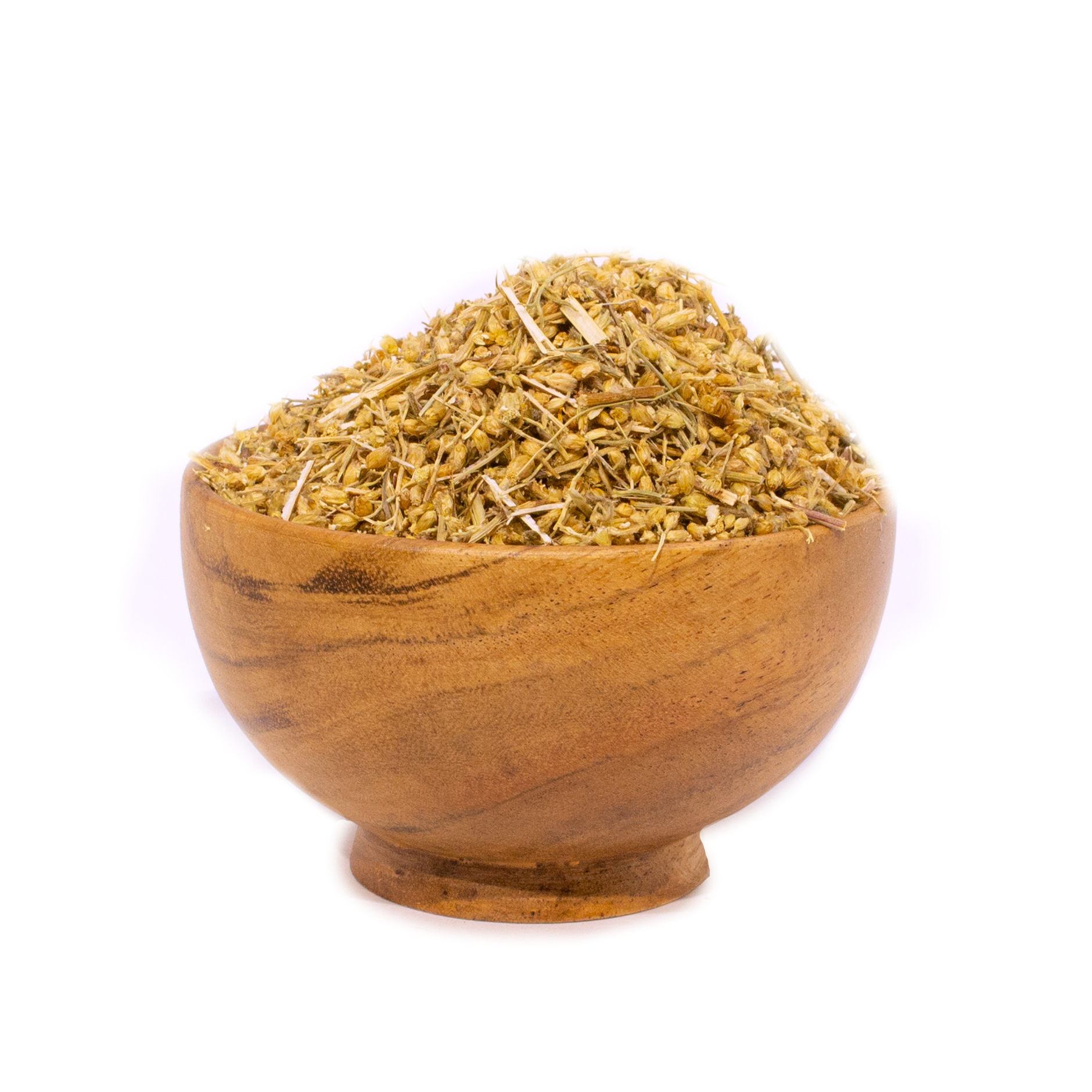
Yarrow Flower
Yarrow flowers, also known as Achillea millefolium, are beautiful and delicate flowers that are commonly found in fields and meadows. They are known for their distinctive white or yellow flowers that grow in clusters and have a feathery appearance. The plant itself has a long history of use, with evidence of its use as far back as ancient Greece and China. Yarrow flowers have a pleasant fragrance and are often used for ornamental purposes, such as in bouquets and floral arrangements. Additionally, the plant is often used in traditional herbalism and folk medicine, with various parts of the plant being utilized for their medicinal properties. Despite its many uses, yarrow is a hardy plant that is easy to grow and care for, making it a popular addition to gardens and landscapes.
Yarrow (Achillea millefolium) flowers are not commonly used in culinary applications. While the leaves of the yarrow plant are occasionally used as a culinary herb, the flowers are generally not consumed due to their bitter taste and strong aroma. However, here are a few ways yarrow flowers can be used in culinary experiments:
Edible Garnish: Yarrow flowers can be used as an edible garnish to add a touch of color and visual interest to dishes. Their delicate and feathery appearance can enhance the presentation of salads, desserts, or even cocktails.
Infused Oils and Vinegars: Yarrow flowers can be used to infuse oils or vinegars, adding a subtle hint of flavor and aroma. The infused oils or vinegars can be used to dress salads, drizzle over vegetables, or add a unique twist to marinades or sauces.
Herbal Tea Blends: While yarrow flowers on their own are not commonly used for tea, they can be included in herbal tea blends for their potential health benefits. Combine yarrow flowers with other herbal ingredients like chamomile, mint, or lemon balm to create a custom tea blend.
Potpourri or Herbal Sachets: Yarrow flowers can be dried and used in potpourri or herbal sachets to add a pleasant scent to your living spaces or to keep in drawers or closets.
It’s important to note that yarrow flowers, like other parts of the plant, may cause allergic reactions in some individuals. Additionally, if you are considering using yarrow flowers for culinary purposes, ensure that the flowers are from a safe, pesticide-free source and have not been treated with any harmful chemicals.
Yarrow (Achillea millefolium) is a flowering plant that has been used for medicinal purposes for centuries. The flowers of yarrow, along with other parts of the plant, are known for their potential medicinal benefits. Here are some of the commonly cited medicinal benefits and uses of yarrow flowers:
Wound Healing: Yarrow flowers have traditionally been used topically to help promote wound healing. They are believed to possess antibacterial and anti-inflammatory properties that can aid in wound closure, reduce inflammation, and prevent infection.
Digestive Health: Yarrow flowers have been used to support digestive health. They are believed to stimulate digestion, improve appetite, and help alleviate digestive discomfort such as bloating, gas, and cramps.
Menstrual Support: Yarrow flowers are often used to help manage menstrual issues. They are believed to possess antispasmodic properties that can help relieve menstrual cramps and promote a more regular menstrual cycle.
Respiratory Health: Yarrow flowers have been used to support respiratory health and alleviate respiratory conditions such as coughs, colds, and congestion. They are believed to possess expectorant properties that can help loosen phlegm and ease breathing.
Anti-inflammatory Properties: Yarrow flowers are believed to have anti-inflammatory effects. They may help reduce inflammation associated with conditions like arthritis, joint pain, and skin irritations.
Immune Support: Yarrow flowers are often used for immune support. They are believed to have immune-stimulating properties that can help enhance the body’s natural defenses and support overall immune function.
Relaxation and Sleep Aid: Yarrow flowers are sometimes used to promote relaxation and aid in sleep. They are believed to have mild sedative properties that can help calm the nervous system and promote a sense of relaxation.
Skin Care: Yarrow flowers are used in various skin care products. They are believed to have astringent and soothing properties that can help tone the skin, reduce oiliness, and support overall skin health.
It’s important to note that while yarrow flowers have a long history of traditional use, scientific research is ongoing to further understand their potential benefits and mechanisms of action. As with any herbal remedy, it’s advisable to consult with a healthcare professional before using yarrow flowers for medicinal purposes, especially if you have specific health conditions, are taking medications, or are pregnant or breastfeeding.
In various spiritual traditions and belief systems, yarrow flowers are believed to possess magickal and metaphysical properties. In some cultures, yarrow flowers are considered a powerful herb for protection and are believed to have the ability to ward off negative energy and entities. They are also believed to have the power to enhance psychic abilities and promote divination.
In Wicca and other pagan practices, yarrow flowers are associated with the element of air and are often used in spells and rituals to enhance communication, intuition, and creativity. They are also believed to have the ability to enhance courage and confidence and can be used in spells to promote strength and vitality.
Yarrow flowers are also used in some shamanic practices for healing and spiritual purification. It is believed that yarrow can help to balance and harmonize energy fields, promoting overall health and well-being.
Some people believe that carrying yarrow flowers or wearing them as a talisman can bring good luck, protect against harm, and promote success in endeavors. Others use yarrow in aromatherapy or as an ingredient in spiritual baths and cleanses to promote relaxation, mental clarity, and spiritual connection.
It is important to note that these beliefs and practices are not scientifically proven and should not be used as a substitute for professional medical or mental health advice. If you are interested in using yarrow for spiritual or magickal purposes, it is recommended to do so under the guidance of an experienced practitioner.
Yarrow and Peppermint Tea Blend
Ingredients:
- 1 tablespoon dried yarrow flowers
- 1 tablespoon dried peppermint leaves
- 1 teaspoon dried lemon balm leaves
- 1 teaspoon dried chamomile flowers
- 4 cups of water
Instructions:
- Boil the water in a pot on the stove.
- Add the yarrow flowers, peppermint leaves, lemon balm leaves, and chamomile flowers to the water.
- Turn off the heat and let the herbs steep for about 5-10 minutes.
- Strain the tea into a cup or teapot and discard the herbs.
- Add honey or lemon to taste, if desired.
This blended tea combines the refreshing taste of peppermint with the floral and earthy flavor of yarrow, along with the calming properties of chamomile and lemon balm. Yarrow is the primary ingredient in this blend, providing its unique aroma and taste, as well as its potential medicinal benefits. Peppermint and lemon balm can help soothe the digestive system, while chamomile is known for its calming and relaxing properties. This tea can be enjoyed hot or cold, and makes for a perfect pick-me-up during any time of the day. However, it’s important to note that pregnant or breastfeeding women, as well as those with allergies to plants in the Asteraceae family, should avoid consuming yarrow. As always, it’s best to consult with a healthcare provider before trying any new herbs or teas for medicinal purposes.
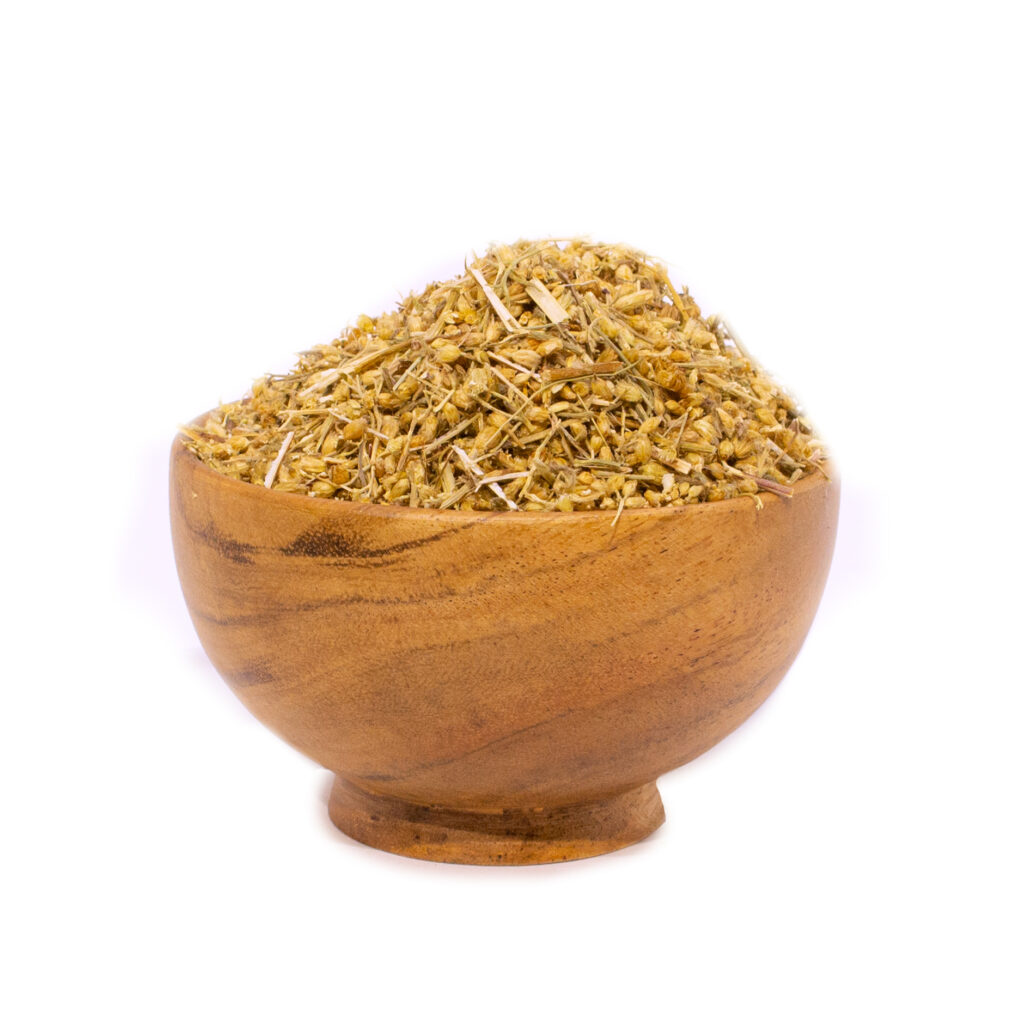
- USDA Organic
- Fair Trade Certified
- Kosher
| Size | 1oz, 4oz |
|---|
Only logged in customers who have purchased this product may leave a review.


Reviews
There are no reviews yet.