
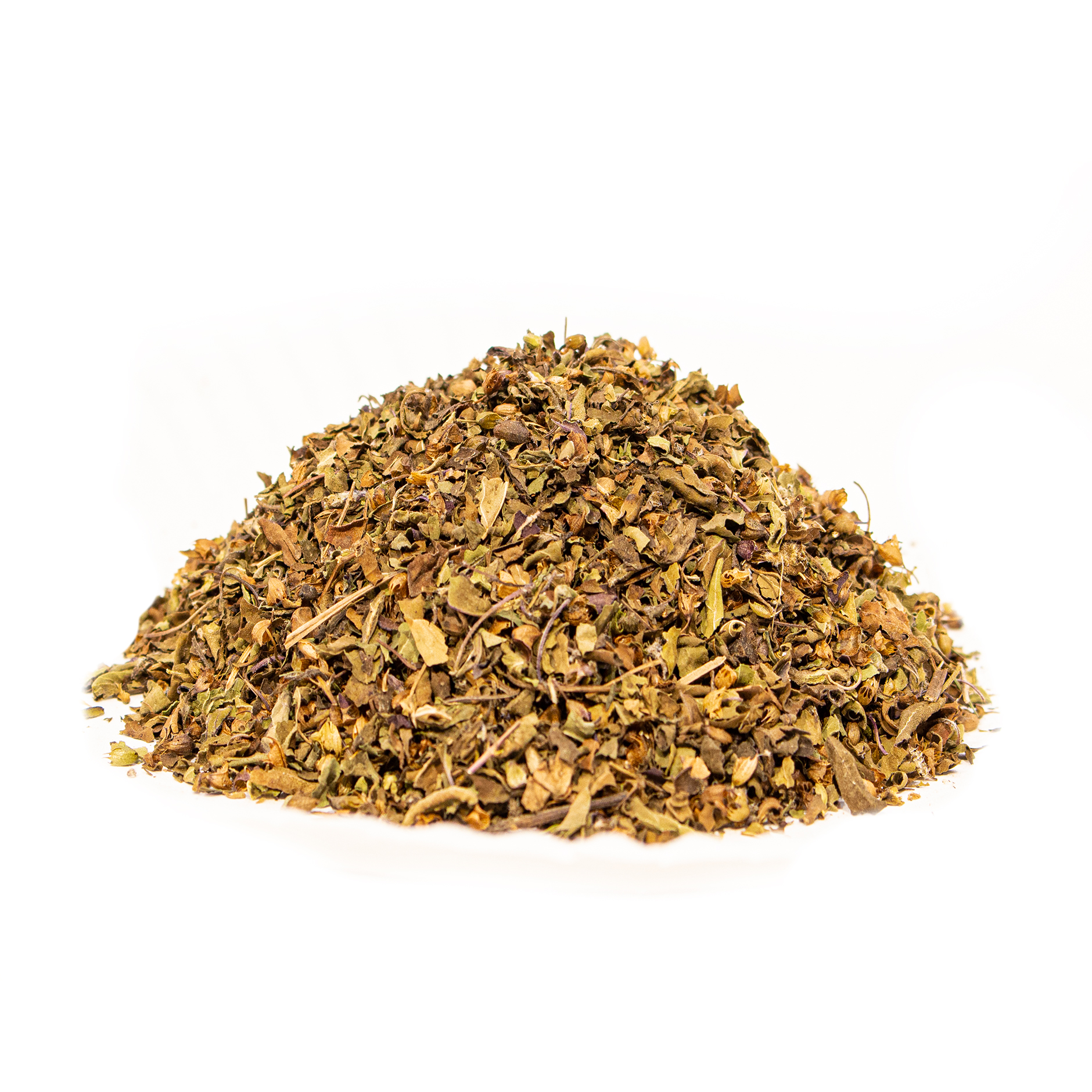
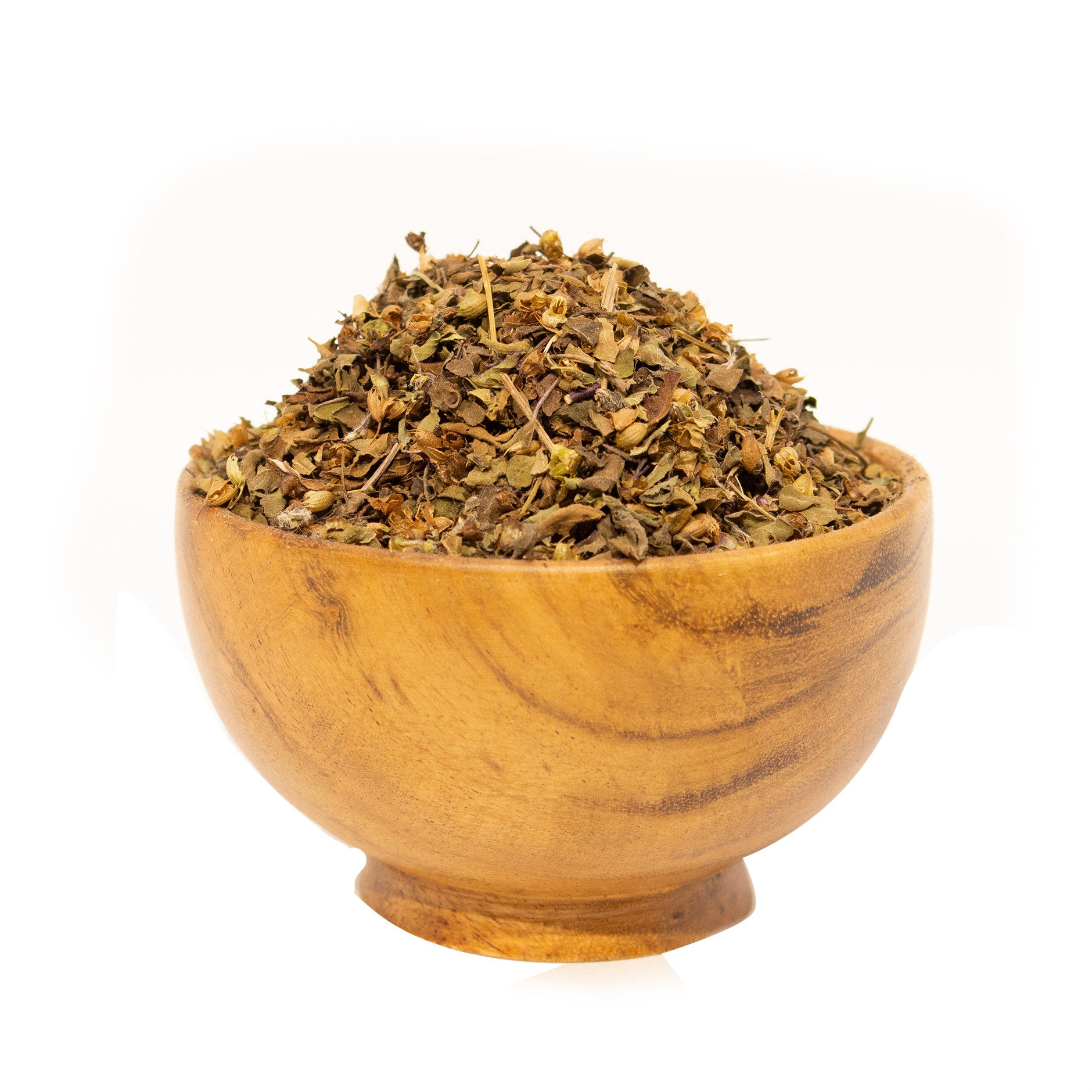
Holy Basil (Tulsi)
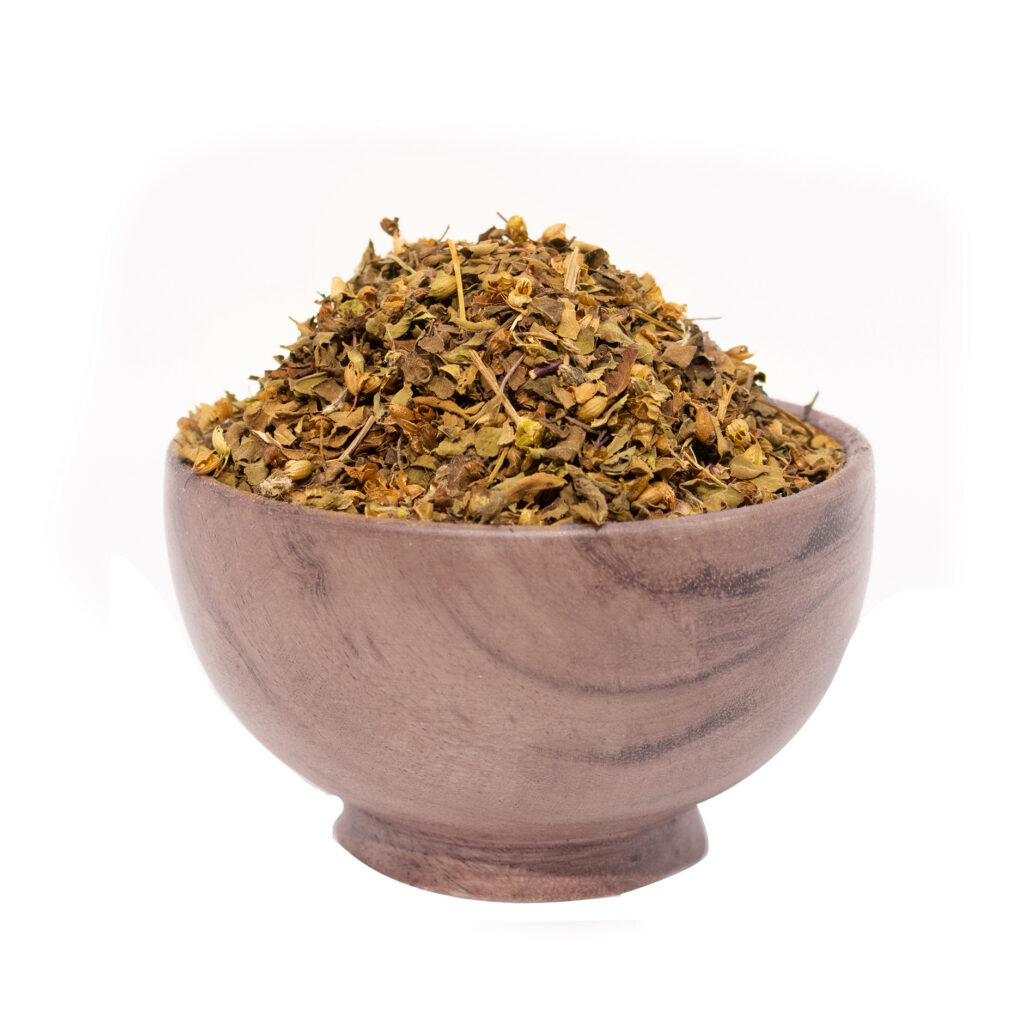
Holy Basil, also known as Tulsi, is an aromatic herb that is commonly used in Indian cuisine and traditional Ayurvedic medicine. It is a sacred plant in Hinduism and is often grown in temples and households for its spiritual significance. Holy Basil has a strong, sweet aroma and a slightly spicy flavor. The leaves of the plant are a bright green color and have a slightly hairy texture. It is a popular herb for use in tea blends, both for its delicious taste and its potential health benefits. In addition to its culinary and medicinal uses, Holy Basil is also used in aromatherapy and as a natural insect repellent
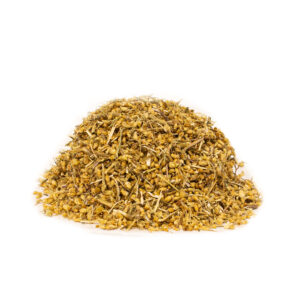
Yarrow flowers have a long history of being used in culinary practices, particularly in European cuisine. The fresh leaves and flowers of yarrow can be added to salads or used as a garnish for a pop of color. The flowers can also be used to add a unique flavor to soups, stews, and broths, similar to the way bay leaves are used. Yarrow can also be brewed into a tea, either alone or mixed with other herbs, for a pleasant, mild taste.
In addition to their flavor, yarrow flowers have been used historically as a natural food preservative due to their antiseptic properties. The flowers were often used to season meats and other foods, helping to extend their shelf life. Yarrow can also be used to make flavored vinegars or infused oils, adding a unique taste to dressings or marinades.
While yarrow is not as commonly used in modern culinary practices, it can still be a fun and unique ingredient to experiment with in the kitchen. It is important to note, however, that yarrow should be consumed in moderation and is not recommended for individuals who are pregnant or breastfeeding. As with any new ingredient, it is also important to consult with a healthcare provider if you have any concerns or allergies.
Holy basil, also known as tulsi, has been used for medicinal purposes in traditional Ayurvedic medicine for centuries. It is known for its anti-inflammatory, anti-bacterial, and anti-viral properties, making it a popular natural remedy for a variety of ailments.
One of the most common uses of holy basil is to help reduce stress and anxiety. It is believed to have an adaptogenic effect on the body, helping it to better manage stress and promote a sense of calm. It is also believed to be beneficial for promoting healthy digestion, reducing inflammation in the body, and improving respiratory function.
Holy basil has also been shown to have anti-cancer properties and may help to prevent or slow the growth of certain types of cancer cells. Additionally, it has been shown to have antioxidant properties, which can help to protect the body against damage caused by free radicals.
In Ayurvedic medicine, holy basil is often used to support overall health and wellness, as well as to treat specific ailments such as colds, flu, and respiratory infections. It is commonly consumed in tea form, and can also be taken in supplement form or used as an essential oil.
It is important to note that while holy basil has many potential health benefits, it should not be used as a substitute for medical treatment. It is always best to consult with a healthcare professional before using any new herbs or supplements, especially if you have a pre-existing medical condition or are taking medication.
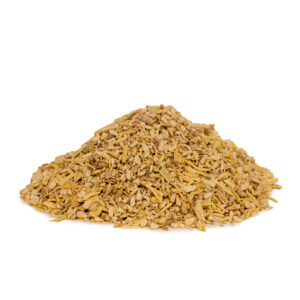
Includes thee varieties. Krishna, Rama, and Vana are all different varieties of Tulsi, also known as Holy Basil, that are commonly used in Ayurvedic medicine.
Krishna Tulsi has dark purple leaves and a slightly spicy flavor. It is often used in teas and herbal remedies to help support the respiratory and digestive systems.
Rama Tulsi has green leaves and a slightly sweeter taste than Krishna Tulsi. It is often used in Ayurvedic medicine to help support the immune system and to promote overall health and wellness.
Vana Tulsi, also known as wild forest Tulsi, has lighter green leaves and a slightly citrusy taste. It is often used in Ayurvedic medicine to help support the respiratory system and to promote relaxation and stress relief.
While each variety of Tulsi has slightly different medicinal properties and uses, they are all highly valued in Ayurvedic medicine for their numerous health benefits.
In traditional Hinduism, Holy Basil Tulsi is considered a sacred plant and is believed to have numerous magical and metaphysical properties. It is often associated with the goddess Lakshmi, who is known for her power to bring wealth, success, and abundance.
In Ayurvedic tradition, Holy Basil Tulsi is said to help balance the chakras and promote overall spiritual well-being. It is believed to have a purifying effect on the mind and body and is often used in rituals and ceremonies to promote spiritual growth and enlightenment.
Holy Basil Tulsi is also associated with protection, and is often used in talismans and amulets to ward off negative energy and evil spirits. It is said to have the power to protect against physical harm as well as spiritual attacks.
Some practitioners of Wicca and other modern pagan traditions also use Holy Basil Tulsi in their magical practices. It is believed to have the power to promote love, abundance, and prosperity, and is often used in spells and rituals related to these themes. It is also sometimes used in divination rituals to promote clarity and intuition.
Overall, Holy Basil Tulsi is a versatile and powerful plant with a rich history of spiritual and magical use. Whether you are looking to promote spiritual well-being, protect yourself from negative energy, or attract abundance and prosperity into your life, Holy Basil Tulsi is a powerful ally that can help you achieve your goals.
Yarrow and Peppermint Tea Blend
Ingredients:
- 1 tablespoon dried yarrow flowers
- 1 tablespoon dried peppermint leaves
- 1 teaspoon dried lemon balm leaves
- 1 teaspoon dried chamomile flowers
- 4 cups of water
Instructions:
- Boil the water in a pot on the stove.
- Add the yarrow flowers, peppermint leaves, lemon balm leaves, and chamomile flowers to the water.
- Turn off the heat and let the herbs steep for about 5-10 minutes.
- Strain the tea into a cup or teapot and discard the herbs.
- Add honey or lemon to taste, if desired.
This blended tea combines the refreshing taste of peppermint with the floral and earthy flavor of yarrow, along with the calming properties of chamomile and lemon balm. Yarrow is the primary ingredient in this blend, providing its unique aroma and taste, as well as its potential medicinal benefits. Peppermint and lemon balm can help soothe the digestive system, while chamomile is known for its calming and relaxing properties. This tea can be enjoyed hot or cold, and makes for a perfect pick-me-up during any time of the day. However, it’s important to note that pregnant or breastfeeding women, as well as those with allergies to plants in the Asteraceae family, should avoid consuming yarrow. As always, it’s best to consult with a healthcare provider before trying any new herbs or teas for medicinal purposes.
- USDA Organic
- Fair Trade Certified
- Kosher
- Blend of Krishna, Rama and Vana
| Size | 1oz, 4oz |
|---|
Only logged in customers who have purchased this product may leave a review.

Reviews
There are no reviews yet.