
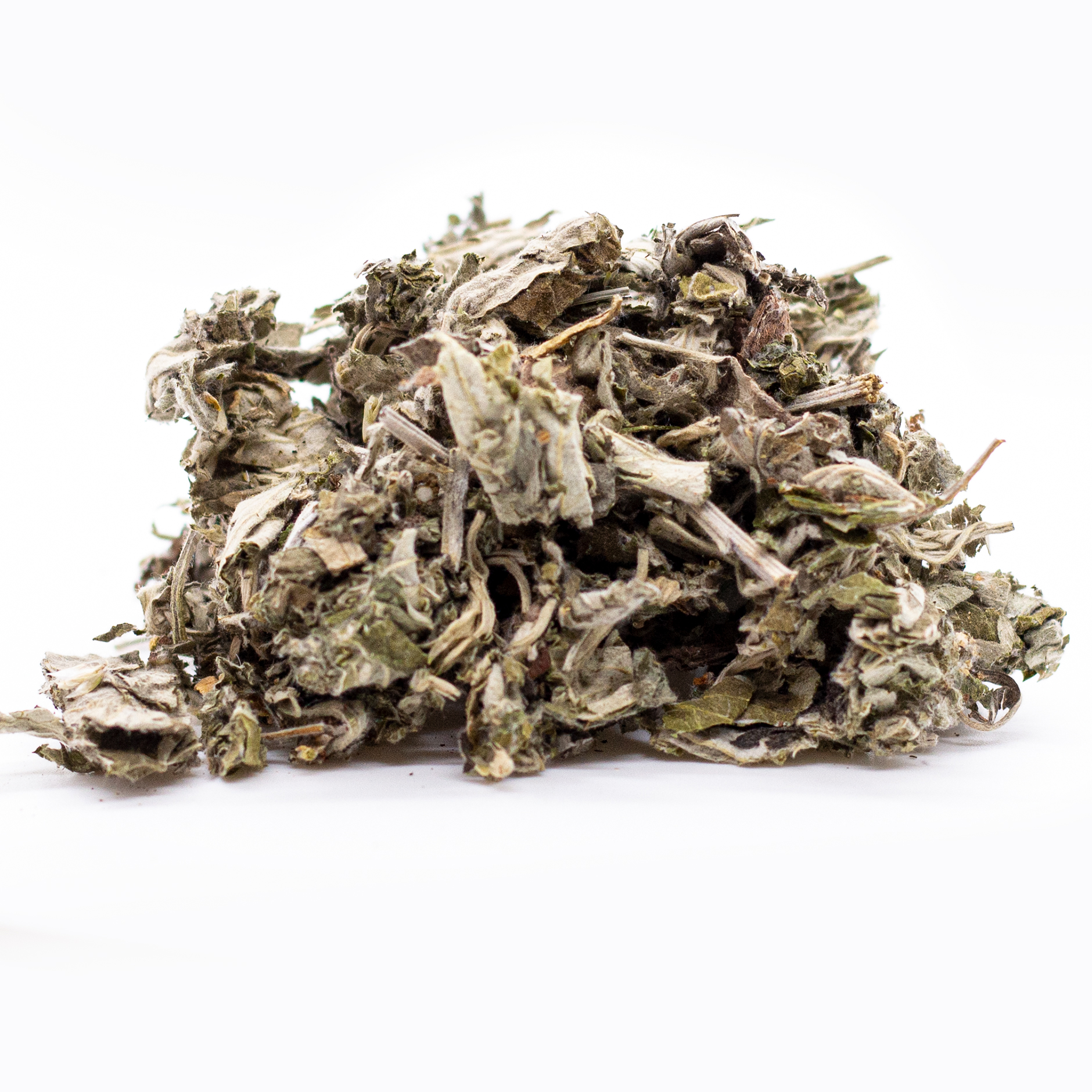
Mugwort
Mugwort, scientifically known as Artemisia vulgaris, is a perennial herbaceous plant that belongs to the Asteraceae family. Native to Europe, Asia, and Northern Africa, it has since been introduced to other parts of the world, including North America. Mugwort typically thrives in temperate climates and can be found growing in a variety of habitats, such as waste areas, roadsides, and open woodlands.
The plant is characterized by its erect stem, which can reach heights of up to several feet, and its deeply lobed, fern-like leaves. Mugwort leaves are dark green on the upper side and silver-gray on the underside, giving them a distinct appearance. The leaves are aromatic, emitting a slightly bitter scent when crushed or rubbed.
During the summer months, mugwort produces clusters of small, inconspicuous flowers in a yellow-green color. These flowers are arranged in panicles at the top of the stems and add a touch of charm to the plant. Once the flowers have bloomed and withered, they give way to small, dry fruits containing tiny seeds, which are dispersed by the wind.
Mugwort has a long history of traditional uses in various cultures around the world. It has been valued for its unique properties and incorporated into folklore, culinary practices, and spiritual rituals. While its medicinal uses are well-known, it is worth noting that this description excludes any mention of those. Instead, mugwort’s aesthetic appeal, hardiness, and cultural significance make it an intriguing plant for both botanical enthusiasts and those interested in exploring its cultural heritage.
Mugwort (Artemisia vulgaris) has a rich history of medicinal use in traditional systems of medicine across different cultures. It is important to note that while mugwort has been traditionally used for various therapeutic purposes, it is always recommended to consult with a healthcare professional before using any herb for medicinal purposes. Here are some of the commonly cited medicinal uses of mugwort:
Digestive Support: Mugwort has been traditionally used to aid digestion and relieve digestive discomfort. It is believed to stimulate appetite, improve digestion, and alleviate symptoms such as bloating, gas, and indigestion.
Menstrual Support: Mugwort is often used to address menstrual irregularities and discomfort. It is believed to help regulate the menstrual cycle, alleviate menstrual cramps, and promote overall reproductive health in women.
Relaxation and Sleep: Mugwort is sometimes used as an herbal remedy to promote relaxation and support healthy sleep patterns. It is believed to possess mild sedative properties and may help calm the mind, ease anxiety, and improve sleep quality.
Skin Conditions: Mugwort has been used topically to address various skin conditions. It is believed to have anti-inflammatory and antiseptic properties that may help alleviate itching, inflammation, and irritation associated with conditions such as eczema, psoriasis, and insect bites.
Mild Pain Relief: Mugwort has been employed as a traditional remedy to relieve mild pain, including headaches, joint pain, and muscle aches. It is sometimes used externally in the form of poultices or applied as a topical oil or salve.
Repellent Properties: Mugwort is known for its strong aroma, which is believed to repel insects, particularly moths and mosquitoes. Dried mugwort leaves have been used in sachets or as a natural insect-repellent ingredient in various formulations.
It is essential to reiterate that these traditional uses of mugwort are based on historical practices and anecdotal evidence. Scientific research on mugwort’s medicinal properties is still ongoing, and the herb’s safety, efficacy, and appropriate dosage for specific conditions have not been extensively studied. Consulting with a qualified healthcare professional or herbalist is recommended before using mugwort for medicinal purposes.
Mugwort (Artemisia vulgaris) has been used in culinary practices in certain cultures, although its culinary use is not as widespread as its medicinal or cultural significance. Here are a few examples of how mugwort is occasionally used in cooking:
Flavoring Ingredient: Mugwort leaves have a distinct and slightly bitter flavor with hints of citrus and spice. In some culinary traditions, especially in East Asia, mugwort leaves are used as a flavoring agent in dishes. They can be added to soups, stews, rice dishes, or stir-fries to impart their unique taste.
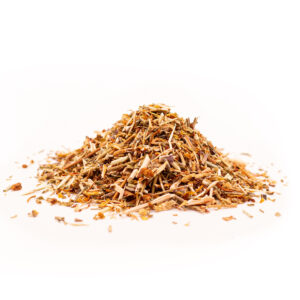
Tea: Dried mugwort leaves can be used to prepare herbal tea. Mugwort tea is believed to have a calming and relaxing effect, and it is consumed for its potential health benefits. The tea can be made by steeping the dried leaves in hot water for several minutes.
Seasoning for Rice Cakes: In Korean cuisine, mugwort leaves are often used as an ingredient in making rice cakes called “ssuk tteok.” The leaves are ground into a powder and mixed with glutinous rice flour to give the rice cakes a vibrant green color and a subtle herbal taste.
Culinary Garnish: Fresh or dried mugwort leaves can be used as a decorative garnish for certain dishes. The leaves can add a touch of visual interest and a unique aroma to the presentation.
It’s important to note that the culinary use of mugwort varies across cultures and regions, and it may not be a commonly used herb in everyday cooking for many people. Additionally, as with any herb or plant, it’s important to ensure that the mugwort being used for culinary purposes is sourced from a reliable and safe supplier, and any potential allergies or sensitivities to the plant should be taken into consideration
Mugwort (Artemisia vulgaris) has a long history of magical and metaphysical uses in various cultural and spiritual practices. It is believed to possess energetic properties that make it useful for rituals, divination, and protection. Here are some of the magickal and metaphysical uses associated with mugwort:
Divination and Dreamwork: Mugwort is often used to enhance psychic abilities and aid in divination practices. It is believed to increase intuition, clarity, and the ability to connect with spiritual realms. Mugwort is sometimes burned as incense or placed under a pillow to promote vivid dreams and enhance dream recall.
Protection and Warding: Mugwort has a reputation for its protective qualities. It is believed to ward off negative energies, evil spirits, and psychic attacks. Some practitioners hang dried mugwort bundles in doorways or windows for protection, while others may create amulets or talismans using mugwort leaves.
Ritual and Ceremony: Mugwort is commonly used in rituals and ceremonies due to its sacred associations. It is often included in smudging bundles or burned as loose incense to purify spaces, sanctify altars, and prepare individuals for spiritual practices. Mugwort is sometimes used in rituals related to healing, meditation, or honoring ancestral spirits.
Astral Travel and Lucid Dreaming: Mugwort is revered for its potential to facilitate astral travel and induce lucid dreaming. It is believed to enhance awareness during dream states and aid in connecting with higher realms of consciousness. Some practitioners may consume mugwort tea or use it in a herbal bath before engaging in astral projection or lucid dreaming practices.
Energy Cleansing and Grounding: Mugwort is thought to possess cleansing properties that help clear stagnant or negative energy from a person or space. It is often used in rituals or smudging ceremonies to purify and ground the energy, promoting a sense of balance and harmony.
It’s important to note that these magickal and metaphysical uses are based on folklore, spiritual traditions, and personal beliefs. The effectiveness and interpretation of these practices may vary among individuals and different magical traditions. As with any spiritual practice, it’s important to approach mugwort or any other herb with respect, mindfulness, and an understanding of your own intentions and beliefs
Ingredients:
- 1 teaspoon dried mugwort leaves
- 1 teaspoon dried chamomile flowers
- 1 teaspoon dried peppermint leaves
- 2 cups water
- Honey or sweetener of choice (optional)
Instructions:
In a teapot or a heatproof container, combine the dried mugwort leaves, chamomile flowers, and peppermint leaves.
Bring 2 cups of water to a boil and pour it over the herb mixture. Cover the container and let it steep for about 10-15 minutes.
After steeping, strain the tea to remove the herbs, and pour it into teacups or mugs.
If desired, add honey or your preferred sweetener to taste, stirring until it dissolves.
Enjoy the mugwort tea while it’s warm. Take your time to savor the flavors and relax.
Note: The proportions of herbs can be adjusted according to personal preference. Feel free to experiment with different herbs or add other complementary ingredients such as lemon slices or a cinnamon stick for added flavor. As with any herbal tea, it’s advisable to start with a small quantity and gradually increase the strength or duration of steeping to suit your taste and tolerance.
Remember to consult with a healthcare professional before consuming herbal teas, especially if you have any specific health conditions, allergies, or are taking medications that may interact with the herbs.
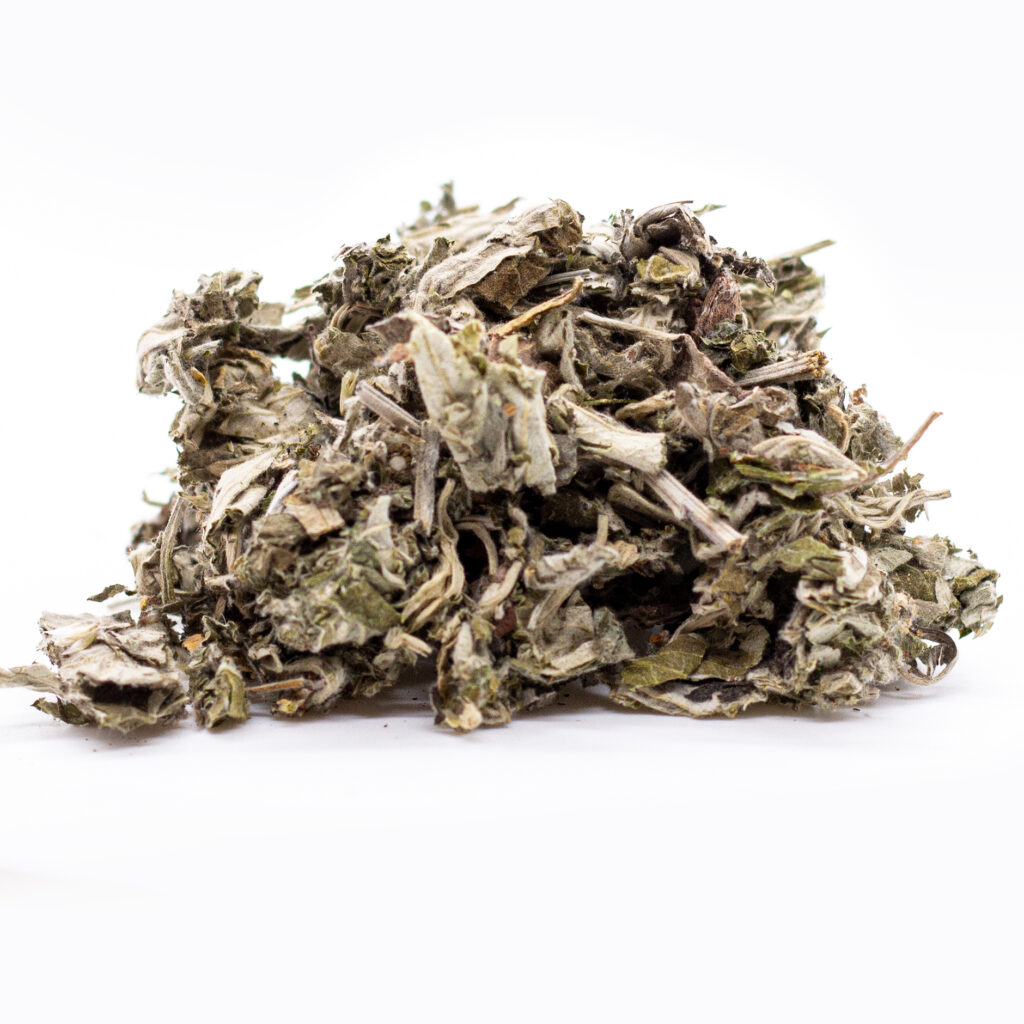
- 100% Organic
| Size | 1oz, 4oz |
|---|
Only logged in customers who have purchased this product may leave a review.

Reviews
There are no reviews yet.