
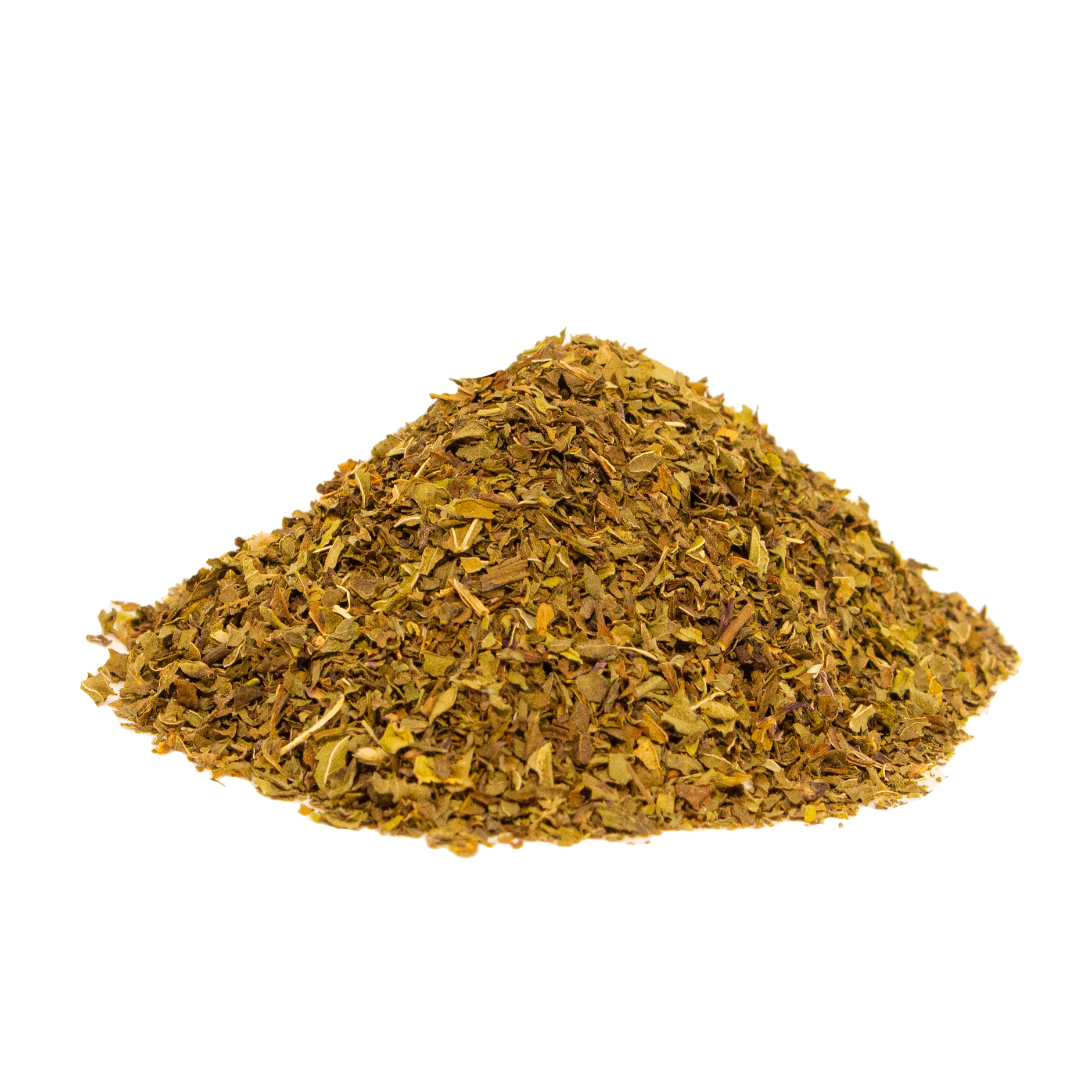
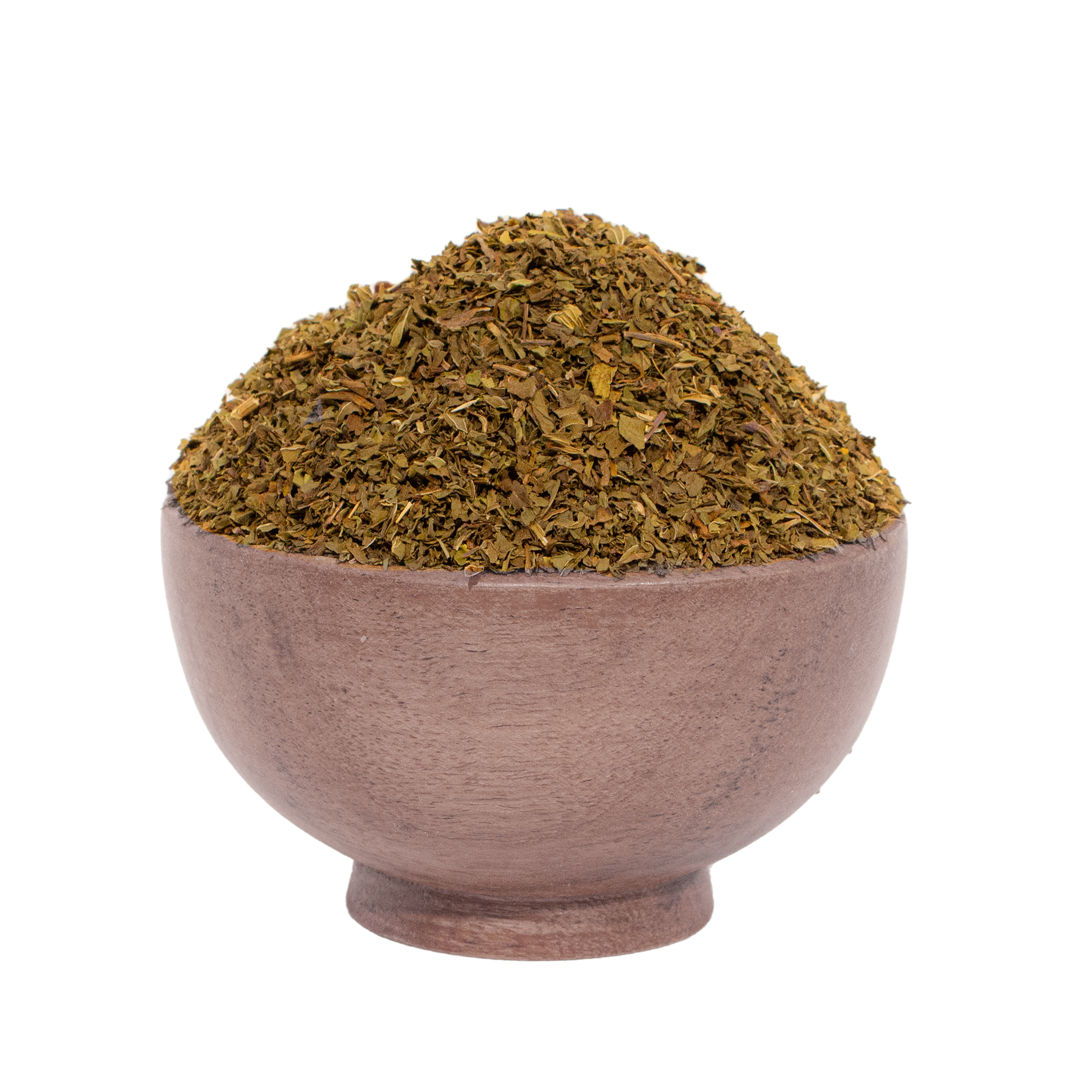
Peppermint Leaves
Peppermint leaves, known botanically as Mentha x piperita, are vibrant and aromatic foliage that offer a refreshing and invigorating experience. The leaves of the peppermint plant are renowned for their cool, minty flavor and captivating scent.
Peppermint leaves are characterized by their vibrant green color and serrated edges. They grow on tall, square stems and feature lance-shaped leaves that release a distinct and recognizable aroma when gently crushed or bruised.
The flavor of peppermint leaves is refreshing and tingling, with a prominent menthol taste. This unique flavor profile makes peppermint leaves a popular choice for various culinary applications. They are commonly used as a flavoring agent in teas, desserts, confections, and savory dishes, adding a cooling and minty note to recipes.
Beyond their culinary appeal, peppermint leaves are also treasured for their potential health benefits. Peppermint is renowned for its digestive properties and is often used to relieve symptoms such as indigestion, bloating, and stomach discomfort. Peppermint tea, brewed from the leaves, is a popular herbal remedy known for its soothing effects on the digestive system.
The invigorating aroma of peppermint leaves is also valued in aromatherapy. The scent of peppermint is believed to uplift the mood, increase focus, and provide a sense of alertness and mental clarity. Peppermint essential oil, derived from the leaves, is commonly used in diffusers, candles, and personal care products for its refreshing and energizing properties.
Peppermint leaves have a rich history and have been used in traditional herbal medicine for centuries. They are treasured for their potential soothing and cooling effects on the body, particularly in addressing headaches, muscle tension, and respiratory congestion.
Whether enjoyed in a steaming cup of peppermint tea, incorporated into culinary delights, or used for their aromatic qualities, peppermint leaves offer a refreshing and invigorating experience that awakens the senses and delights the palate.
Peppermint leaves, with their invigorating and minty flavor, have a multitude of culinary uses. Here are some common ways in which peppermint leaves can be used in cooking and food preparation:
Herbal Teas: Peppermint leaves are widely used to create refreshing and aromatic herbal teas. Whether used fresh or dried, a few leaves can be steeped in hot water to produce a soothing and minty beverage. Peppermint tea is often enjoyed on its own or blended with other herbs for added complexity and flavor.
Desserts: Peppermint leaves are frequently employed in dessert recipes to infuse a cool and refreshing taste. They can be chopped or minced and incorporated into cakes, cookies, brownies, or ice creams to impart a delightful minty flavor. Peppermint leaves are also commonly used as a garnish for desserts, such as sprinkling them on top of chocolate mousses or adding them as a finishing touch to fruit salads.
Beverages and Cocktails: Peppermint leaves can be muddled or gently crushed and used as a flavoring agent in various beverages and cocktails. They can add a refreshing twist to lemonades, iced teas, mojitos, or mocktails, enhancing the overall taste experience with their minty notes.
Salads and Savory Dishes: Fresh peppermint leaves can be torn or finely chopped and added to salads or savory dishes to provide a burst of minty freshness. They pair well with fruits like watermelon, berries, or citrus segments, as well as savory ingredients like cucumber, feta cheese, or yogurt-based dressings. Peppermint leaves can also be incorporated into savory sauces or marinades to impart a minty kick to dishes like lamb, roasted vegetables, or Middle Eastern cuisine.
Infused Oils and Vinegars: Peppermint leaves can be infused in oils or vinegar to create flavorful bases for dressings, marinades, or dips. Peppermint-infused oils and vinegars can add a distinct and refreshing twist to various dishes, from salads to roasted vegetables or even drizzled over grilled meats.
Herbal Butter or Seasoning: Finely chopped peppermint leaves can be mixed into softened butter to create a flavorful herb-infused butter. This can be spread on bread or used as a finishing touch for grilled meats, seafood, or roasted vegetables. Peppermint leaves can also be blended with other herbs to create custom seasoning blends, providing a minty and aromatic element to dishes.
When using peppermint leaves in cooking, it’s essential to consider the intensity of their flavor. Their taste can be quite potent, so it’s best to start with a small amount and adjust according to personal preference. With their invigorating and minty qualities, peppermint leaves bring a refreshing and aromatic element to a wide range of culinary creations.
Peppermint leaves, scientifically known as Mentha x piperita, have been valued for their medicinal properties for centuries. The leaves of the peppermint plant contain several active compounds, including menthol, menthone, and rosmarinic acid, which contribute to their potential health benefits. Here are some of the commonly recognized medicinal benefits of peppermint leaves:
Digestive Aid: Peppermint leaves are renowned for their ability to support digestive health. The menthol in peppermint leaves helps relax the muscles of the gastrointestinal tract, easing symptoms such as indigestion, bloating, and stomach discomfort. Peppermint tea or capsules may provide relief from digestive issues, including irritable bowel syndrome (IBS) and stomach cramps.
Alleviation of Headaches and Migraines: Peppermint leaves have analgesic and vasoconstrictive properties that can help relieve tension headaches and migraines. Applying peppermint oil or a peppermint-infused balm topically to the temples or forehead may provide a cooling sensation and temporary relief from headache pain.
Respiratory Support: The menthol in peppermint leaves acts as a decongestant and expectorant, making it beneficial for respiratory health. Peppermint tea or steam inhalation with peppermint leaves may help alleviate symptoms of nasal congestion, sinusitis, coughs, and colds.
Nausea and Motion Sickness Relief: Peppermint leaves are commonly used to ease nausea and vomiting. The soothing properties of peppermint can help calm the stomach and alleviate queasiness associated with morning sickness, motion sickness, or post-operative nausea.
Pain and Muscle Relaxation: The cooling properties of peppermint leaves can provide temporary relief from muscle pain, spasms, and inflammation. Topical application of peppermint oil or a peppermint-infused balm may help soothe sore muscles and joints.
Oral Health: Peppermint leaves have antibacterial properties that can help combat oral bacteria and freshen breath. Peppermint-based mouthwashes or chewing on fresh peppermint leaves may aid in maintaining oral hygiene and reducing bad breath.
Mental Alertness and Focus: The aroma of peppermint leaves is invigorating and stimulating. Inhaling the scent of peppermint may help improve mental alertness, concentration, and focus.
It’s important to note that while peppermint leaves are generally safe for most people when used in moderation, they may cause allergic reactions or interact with certain medications. It’s advisable to consult with a healthcare professional before using peppermint leaves for medicinal purposes, especially if you have specific health conditions or are taking medications.
Peppermint leaves are believed to possess various magickal and metaphysical properties, making them a popular choice in spiritual and energetic practices. Here are some of the commonly associated magickal properties and uses of peppermint leaves:
Purification and Cleansing: Peppermint leaves are thought to have purifying and cleansing properties, both physically and energetically. Burning dried peppermint leaves as incense or using them in smudging rituals is believed to clear negative energy, uplift the atmosphere, and create a fresh and harmonious space.
Protection: Peppermint leaves are often associated with protective energies. Placing fresh or dried peppermint leaves in sachets, charm bags, or amulets is believed to ward off negativity, evil spirits, and malevolent energies. Peppermint leaves can also be used in protective spells or rituals to create a barrier of positive energy around oneself or a space.
Enhancing Psychic Abilities: Peppermint leaves are said to have a stimulating effect on psychic abilities and intuition. Drinking peppermint tea or using peppermint oil in meditation or divination practices is believed to enhance clarity, psychic awareness, and the ability to perceive subtle energies.
Love and Romance: Peppermint leaves are associated with love and romance. Adding dried peppermint leaves to love spells, charms, or bath rituals is believed to attract love, strengthen existing relationships, and promote harmony and passion in partnerships.
Healing and Energy Balance: Peppermint leaves are considered to have healing energies. Placing fresh or dried peppermint leaves near a sick person or incorporating them into healing rituals is thought to promote physical, emotional, and spiritual healing. Peppermint leaves are also believed to balance and harmonize the energy centers or chakras in the body.
Mental Clarity and Focus: The invigorating scent of peppermint leaves is said to stimulate mental clarity, focus, and concentration. Burning peppermint incense or using peppermint-infused oils during study sessions, meditation, or ritual work may help enhance mental alertness and bring about a sense of clear thinking.
Luck and Prosperity: Peppermint leaves are sometimes associated with luck and abundance. Placing a few dried peppermint leaves in a wallet, purse, or cash register is believed to attract financial prosperity and good fortune.
It’s important to note that magickal and metaphysical properties can vary depending on individual beliefs and practices. These uses of peppermint leaves are based on folklore, traditional associations, and metaphysical beliefs. Always approach magickal practices with respect and intention, and remember that the true power lies within oneself.
Ingredients:
- 1 tablespoon dried peppermint leaves
- 1 teaspoon dried chamomile flowers
- 1 teaspoon dried lemon balm leaves
- 1 teaspoon dried lavender flowers
- 4 cups water
- Honey or sweetener of choice (optional)
Instructions:
- In a small saucepan, bring the water to a boil.
- Add the dried peppermint leaves, chamomile flowers, lemon balm leaves, and lavender flowers to the boiling water.
- Reduce the heat to low, cover the saucepan, and let the herbs simmer for about 5 minutes to infuse the flavors.
- Remove the saucepan from heat and let the tea steep for an additional 5 minutes, allowing the herbs to release their aromas and beneficial compounds.
- Strain the tea using a fine mesh sieve or a tea infuser to remove the herb particles.
- Pour the tea into teacups or a teapot.
- If desired, add honey or your preferred sweetener to taste.
- Stir well and serve the tea hot or let it cool and serve over ice for a refreshing iced tea variation.
Feel free to adjust the herb quantities according to your preference for a stronger or milder flavor. This tea blend combines the cool and minty taste of peppermint with the soothing qualities of chamomile, the citrusy notes of lemon balm, and the floral undertones of lavender. It offers a harmonious combination of flavors and aromas, perfect for a calming and revitalizing tea experience.
Enjoy the delightful infusion of herbs and savor the soothing and refreshing qualities of this peppermint-based tea!
- 100% Organic
| Size | 1oz, 4oz |
|---|
Only logged in customers who have purchased this product may leave a review.



Reviews
There are no reviews yet.