
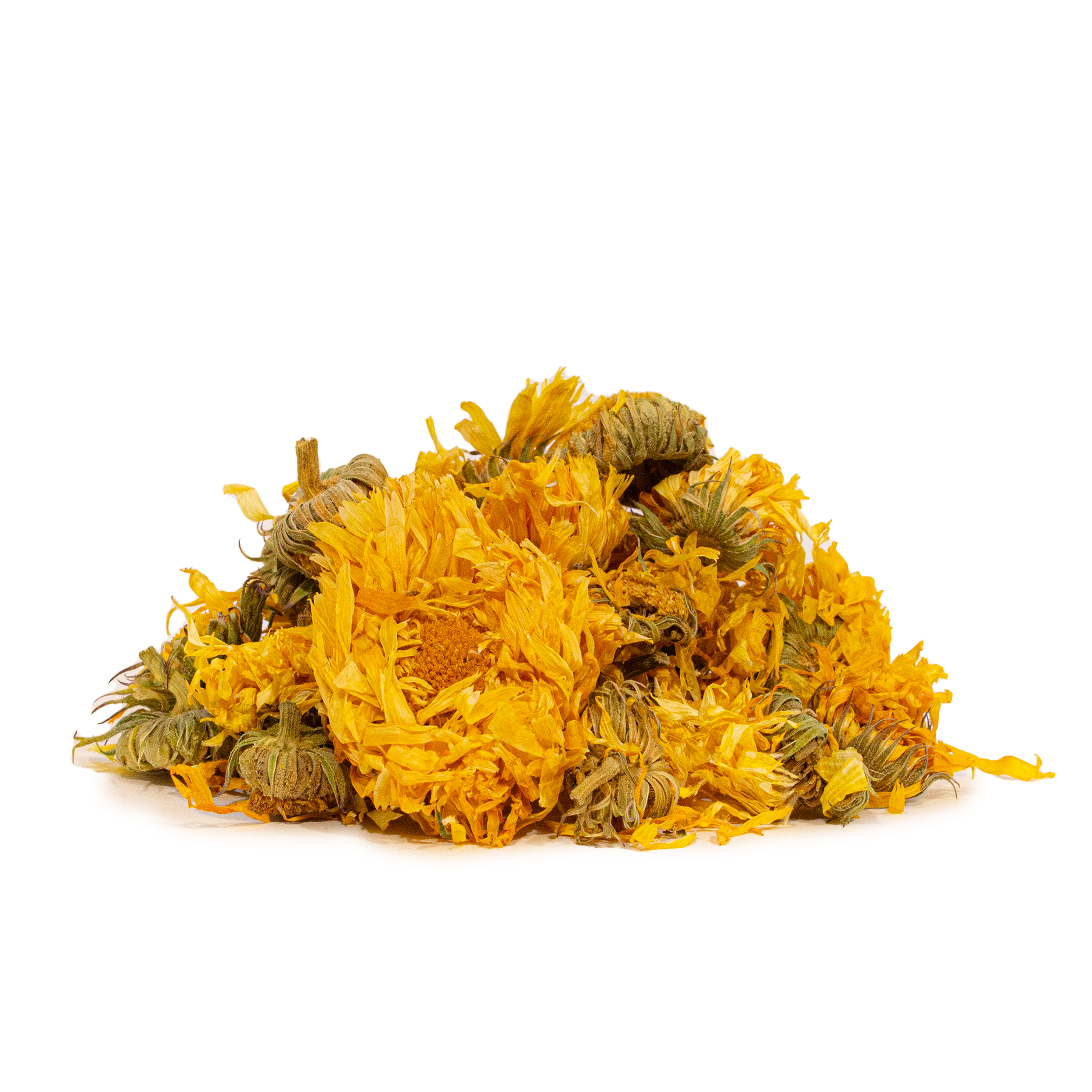
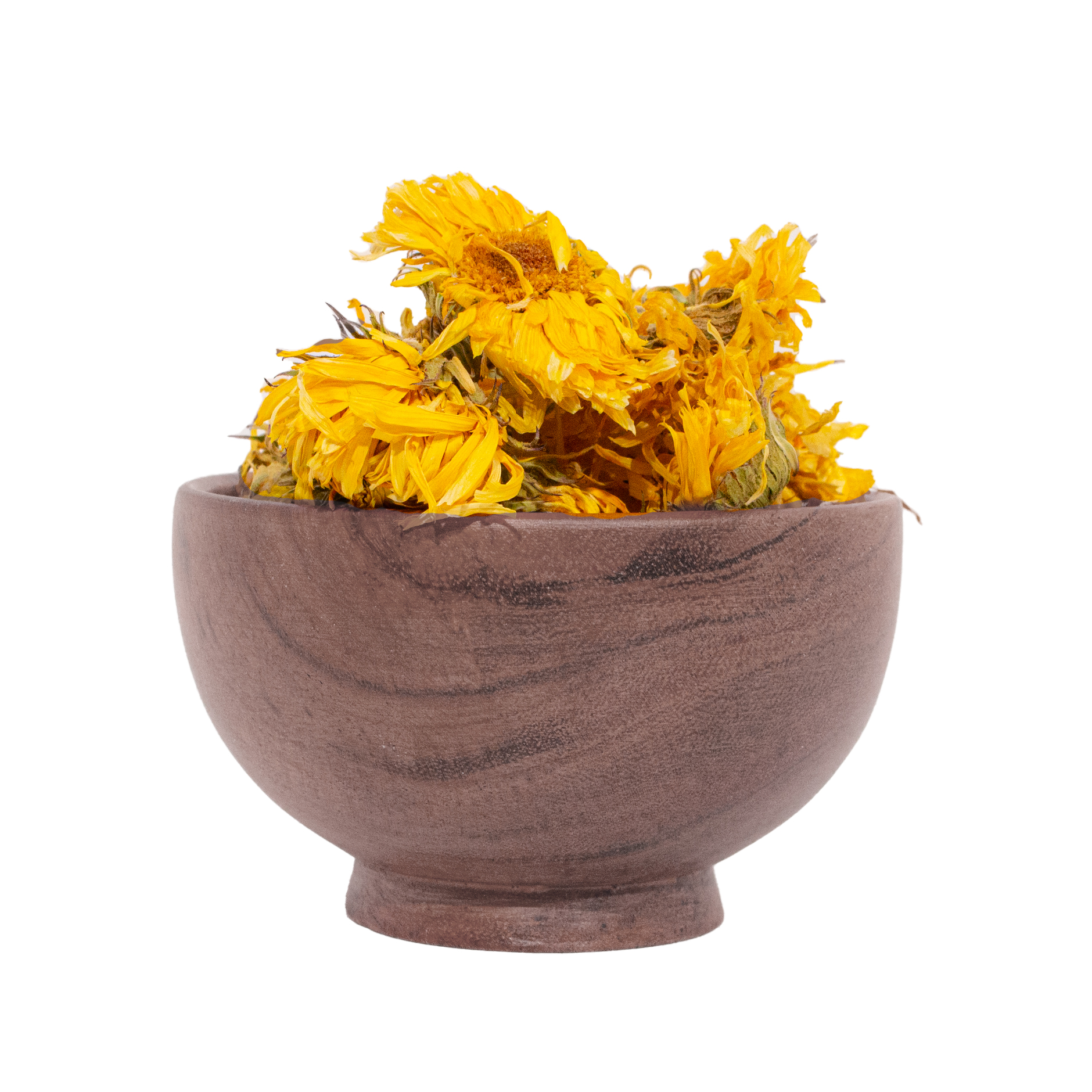
Calendula Flowers
Calendula flowers, scientifically known as Calendula officinalis, are vibrant and captivating flowers that belong to the daisy family. They are native to the Mediterranean region but are now cultivated and cherished in gardens worldwide for their beauty and ornamental value.
Calendula flowers are known for their distinct appearance. They have a sunny and radiant presence, with vibrant petals that range in color from golden yellow to deep orange. The petals are soft and velvety, adding a touch of delicacy to their overall charm. The flowers have a symmetrical and composite structure, featuring numerous ray-like petals surrounding a prominent central disk.
These flowers are often associated with feelings of warmth, happiness, and positivity. Their bright colors can evoke a sense of joy and cheerfulness, making them a popular choice for decorative purposes. Calendula flowers are commonly found in floral arrangements, as they effortlessly brighten up any space and complement various floral combinations.
Aside from their aesthetic appeal, Calendula flowers are appreciated for their resilience. They are known to thrive in a wide range of climates and soil conditions, making them adaptable and versatile in garden settings. They can bring a touch of natural beauty to both formal landscapes and wildflower meadows, adding a sense of natural abundance to any environment.
Calendula flowers have long been celebrated for their symbolic meanings, representing qualities such as love, creativity, and inspiration. They are often associated with the sun and its nurturing energy, symbolizing warmth, vitality, and growth. These symbolic attributes have made Calendula flowers a favored choice for celebrations, rituals, and festive decorations.
In conclusion, Calendula flowers are captivating and radiant, with their vibrant colors and velvety petals. They possess an innate charm that brings joy and positivity to any setting. With their adaptability and symbolic significance, Calendula flowers continue to be cherished and enjoyed by gardeners, floral enthusiasts, and those seeking a touch of natural beauty in their surroundings.
Calendula flowers, with their vibrant colors and delicate petals, have culinary uses that can add visual appeal and subtle flavors to various dishes. Here are a few culinary uses of calendula flowers:
Edible Garnish: Calendula flowers can be used as an attractive and edible garnish for salads, soups, desserts, and other culinary creations. Their vibrant hues of orange and yellow can add a pop of color and enhance the overall presentation of the dish.
Infusions and Beverages: Calendula flowers can be infused in hot water to create herbal teas or floral infusions. The mild, slightly earthy flavor of the petals lends itself well to creating aromatic and soothing beverages. You can enjoy calendula flower tea on its own or blend it with other herbs and spices for added complexity.
Culinary Oil and Vinegar: Calendula flowers can be steeped in high-quality oils or vinegars to infuse their flavors. This process imparts a delicate floral taste to the oil or vinegar, which can be used in dressings, marinades, or drizzled over cooked dishes to add a unique twist.
Herbal Butter or Spread: Calendula flowers can be finely chopped or ground and mixed into softened butter or spreads. This creates a visually appealing and subtly flavored condiment that can be used on bread, crackers, or as a finishing touch for cooked dishes.
Floral Syrups and Jams: Calendula flowers can be infused in syrups or used as a decorative element in homemade jams and jellies. The petals can infuse the syrups or jams with a delicate floral essence and a touch of color.
When using calendula flowers in culinary applications, it is important to ensure that they are organic and free from pesticides or other contaminants. Additionally, it is recommended to use only the petals of the flowers, as the green parts can have a more bitter taste. As with any new ingredient, it’s advisable to start with small amounts and adjust to taste preferences.
Here are some commonly attributed medicinal uses and benefits of calendula:
Skin Healing and Wound Care: Calendula is renowned for its ability to promote skin healing and soothe various skin conditions. It has anti-inflammatory and antimicrobial properties that can help reduce inflammation, prevent infection, and aid in wound healing. Calendula extracts or creams are often used topically to treat cuts, burns, rashes, insect bites, and other skin irritations.
Anti-Inflammatory Effects: Calendula contains compounds such as flavonoids and triterpenoids that possess anti-inflammatory properties. It may help reduce inflammation associated with conditions like dermatitis, eczema, and minor skin infections.
Skin Moisturizing: The emollient properties of calendula can help moisturize and nourish the skin. Calendula-infused oils or creams are often used to alleviate dryness, hydrate the skin, and promote a healthy complexion.
Antioxidant Activity: Calendula is rich in antioxidants, including carotenoids and flavonoids, which help scavenge free radicals and protect cells from oxidative stress. Antioxidants play a role in supporting overall health and may contribute to the anti-aging effects of calendula on the skin.
Menstrual Health: Calendula is sometimes used to alleviate menstrual symptoms such as cramps and discomfort. It is believed to have antispasmodic properties that can help relax uterine muscles and relieve menstrual pain.
Digestive Health: Calendula has been used traditionally to support digestive health. It may help stimulate digestion, reduce inflammation in the gastrointestinal tract, and soothe symptoms of indigestion and gastric ulcers.
Oral Health: Calendula mouthwashes or rinses are sometimes used for oral hygiene purposes. It is believed to have antimicrobial properties that can help reduce plaque formation, soothe gum inflammation, and promote oral health.
While calendula has a long history of traditional use and some scientific evidence supporting its medicinal properties, it is important to consult with a healthcare professional before using calendula for specific health concerns. They can provide personalized advice and guidance, taking into consideration your individual circumstances and any potential interactions with medications or existing conditions.
In metaphysical and magical belief systems, Calendula flowers are associated with several symbolic and energetic properties. Here are some commonly attributed magickal and metaphysical uses and benefits of Calendula flowers:
Protection and Cleansing: Calendula flowers are believed to possess protective energies. They are often used in rituals or spellwork to create a shield of energy, ward off negativity, and cleanse the aura or sacred spaces from stagnant or harmful energies.
Love and Attraction: Calendula flowers are associated with love, attraction, and matters of the heart. They can be used in love spells, charms, or rituals to draw love, enhance romantic relationships, or attract positive connections.
Prosperity and Abundance: Calendula flowers are considered symbols of prosperity and abundance. They are believed to attract wealth, success, and financial opportunities. Calendula can be incorporated into rituals or spells aimed at manifesting abundance and prosperity in various aspects of life.
Divination and Intuition: Calendula flowers are sometimes used in divination practices to enhance psychic abilities and intuition. They are believed to open channels of perception, facilitate intuitive insights, and connect one with higher realms of consciousness during divination rituals or readings.
Spiritual Healing and Empowerment: Calendula flowers are associated with spiritual healing and empowerment. They are believed to assist in releasing emotional blockages, promoting spiritual growth, and nurturing the soul. Calendula can be used in meditation, rituals, or energy work to support inner healing and personal transformation.
Ritual Offerings and Celebrations: Calendula flowers are often used as offerings in rituals or celebrations to honor deities or spirits associated with the sun, abundance, and vitality. They are regarded as symbols of life force energy and can be included in altar decorations, ceremonial wreaths, or sacred spaces.
It’s important to note that these magickal and metaphysical uses of Calendula flowers are based on beliefs, folklore, and cultural traditions, and their effectiveness can vary among individuals. These practices are not supported by scientific evidence and should be approached with personal discretion, respect for one’s own spiritual and cultural background, and an understanding of one’s intentions and ethical considerations.
Ingredients:
- 1 tablespoon dried Calendula flowers
- 1 teaspoon dried Chamomile flowers
- 1 teaspoon dried Lemon balm leaves
- 1 teaspoon dried Lavender flowers
- Honey or a natural sweetener (optional)
- Water
Instructions:
- Boil 2 cups of water in a saucepan or kettle.
- Add the dried Calendula flowers to the boiling water.
- Reduce the heat to low and let the mixture simmer for about 5 minutes to allow the Calendula flowers to infuse.
- After 5 minutes, remove the saucepan from the heat.
- Add the Chamomile flowers, Lemon balm leaves, and Lavender flowers to the saucepan.
- Cover the saucepan with a lid and let the herbs steep for an additional 5 minutes.
- Strain the tea into your cup or teapot, using a fine-mesh strainer or a tea infuser.
- If desired, add honey or a natural sweetener to taste.
- Stir well to dissolve the sweetener.
- Enjoy your Calendula herbal tea while it’s warm.
Feel free to adjust the measurements or experiment with other herbs according to your taste preferences. You can also garnish the tea with a fresh Calendula flower or a sprig of mint for added visual appeal. Remember to consult with a healthcare professional before trying any herbal remedies, especially if you have specific health conditions or are taking medications.
- 100% Organic
| Size | 1oz, 4oz |
|---|
Only logged in customers who have purchased this product may leave a review.


Reviews
There are no reviews yet.