

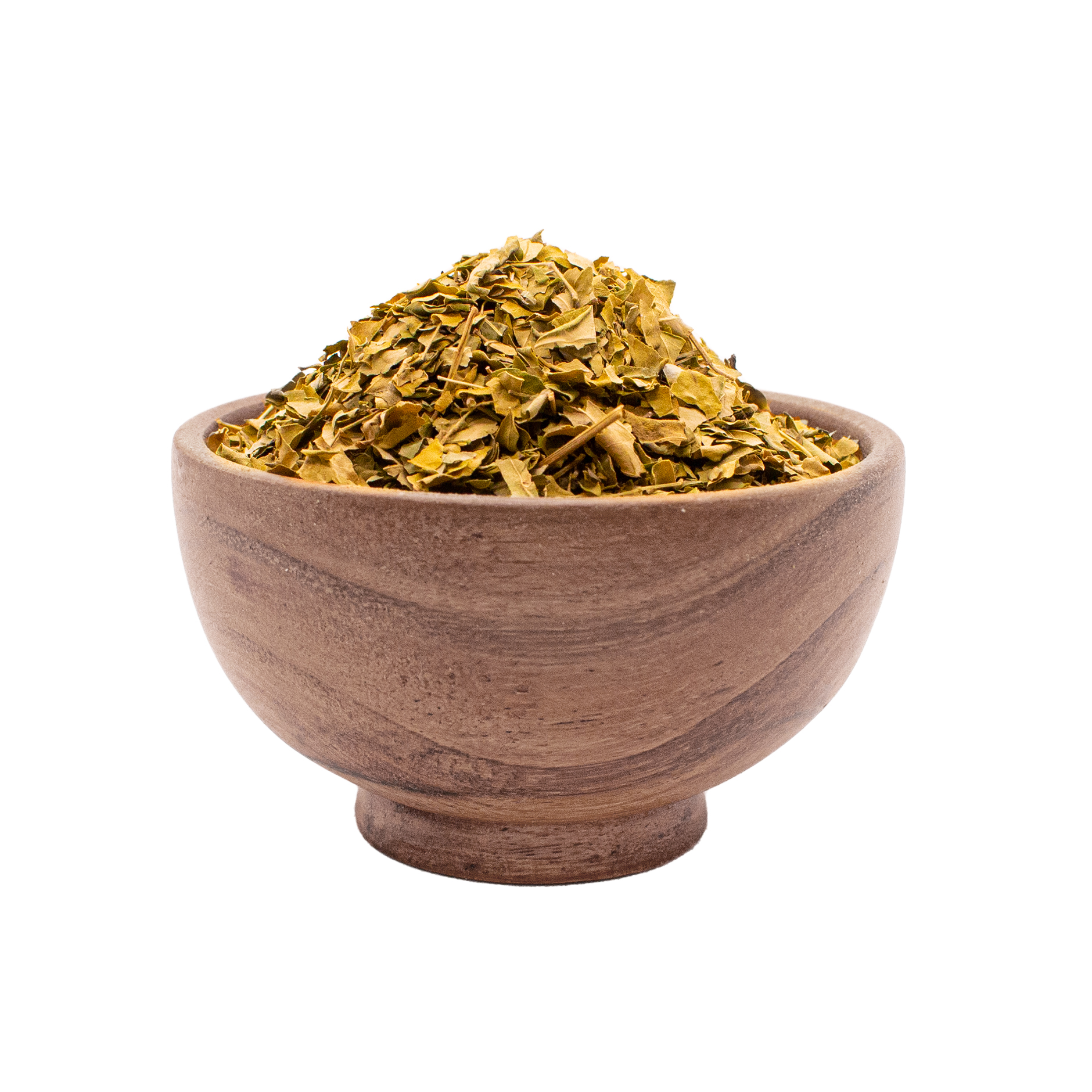
Moringa Leaves
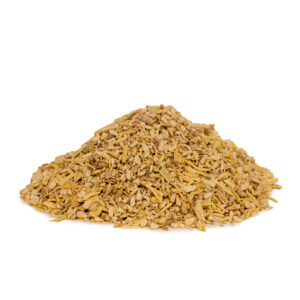
Moringa leaves, also known as drumstick leaves or horseradish tree leaves, are an edible green commonly used in cuisine and traditional medicine. The leaves are small and oval-shaped, with a bright green color and a distinct earthy taste. They are often used in salads, soups, and curries, and can be eaten fresh or cooked.
Moringa leaves are a popular ingredient in many cultures, including India, Africa, and Southeast Asia, where the Moringa tree is native. The tree itself is highly valued for its many uses, including the leaves, seeds, and roots. Moringa leaves are known for their high nutritional value and are often used to combat malnutrition in developing countries.
In addition to their culinary uses, Moringa leaves are also used for a variety of non-food purposes, such as animal feed, fertilizer, and water purification. The leaves are rich in antioxidants and are sometimes used in cosmetics and skincare products.
Overall, Moringa leaves are a versatile and valuable ingredient with a long history of use in traditional medicine and cuisine. Their mild flavor and numerous health benefits make them a popular choice for those seeking to incorporate more nutrient-rich greens into their diet
Moringa, also known as the “miracle tree,” is a plant that is native to the Indian subcontinent and has been used for centuries in traditional medicine. It is rich in nutrients such as vitamins, minerals, and antioxidants, which make it a valuable addition to any diet. Some of the medicinal benefits of Moringa include:
- Anti-inflammatory properties: Moringa contains several anti-inflammatory compounds, which can help reduce inflammation throughout the body.
- Antioxidant activity: The leaves of the Moringa plant are rich in antioxidants, which can help protect the body against damage from free radicals.
- Lowering cholesterol: Moringa has been shown to lower cholesterol levels in the blood, which can help prevent heart disease and other cardiovascular disorders.
- Improving digestion: Moringa leaves contain compounds that can aid in digestion and alleviate digestive problems such as constipation and bloating.
- Boosting the immune system: Moringa is rich in nutrients that can help boost the immune system, making it more effective at fighting off infections and diseases.
- Regulating blood sugar: Moringa has been shown to help regulate blood sugar levels, which can be beneficial for people with diabetes.
- Improving skin health: The leaves of the Moringa plant contain compounds that can help improve skin health and reduce the signs of aging.
Overall, Moringa is a versatile herb with a wide range of medicinal benefits, making it a valuable addition to any healthcare regimen.
It is important to note that while Moringa has many potential medicinal benefits, it should not be used as a replacement for professional medical advice or treatment. Before incorporating Moringa into your health routine, it is recommended that you speak with a healthcare professional to ensure that it is safe and appropriate for your individual needs and health history. Pregnant or breastfeeding women and individuals taking medication should exercise particular caution and consult with a doctor before using Moringa. While Moringa has been traditionally used in certain cultures for centuries, it is important to remember that every person’s body is different and may react differently to herbal remedies. As with any supplement or herb, it is important to use caution and seek medical advice before use.
Moringa is not commonly associated with metaphysical purposes, as it is primarily valued for its medicinal and nutritional benefits. However, some individuals who practice spiritual or energy-based healing may use Moringa as a supplement to their practices. In Ayurvedic medicine, Moringa is believed to have grounding properties and can help to balance the body’s energy. Some people may use Moringa leaves or powder in meditation or rituals to promote clarity, focus, and spiritual growth. Additionally, Moringa is sometimes used in aromatherapy, as its leaves and flowers have a pleasant, earthy scent.
Moringa Tea Blend
Ingredients:
1 tablespoon dried moringa leaves
1 teaspoon dried peppermint leaves
1 teaspoon dried ginger root
1 teaspoon honey (optional)
2 cups water
Instructions:
Bring the water to a boil in a small pot.
Add the dried moringa leaves, peppermint leaves, and ginger root to the pot.
Reduce the heat to low and let the mixture simmer for 10 minutes.
Remove from heat and let the tea cool for a few minutes.
Strain the tea into a mug and add honey to taste, if desired.
Enjoy your refreshing and nutritious moringa tea!
This tea recipe not only features the powerful health benefits of moringa, but also includes other herbs like peppermint and ginger that can provide additional health benefits and add a delicious flavor to the tea. As always, it’s important to consult with a healthcare professional before adding any new herbs or supplements to your diet.
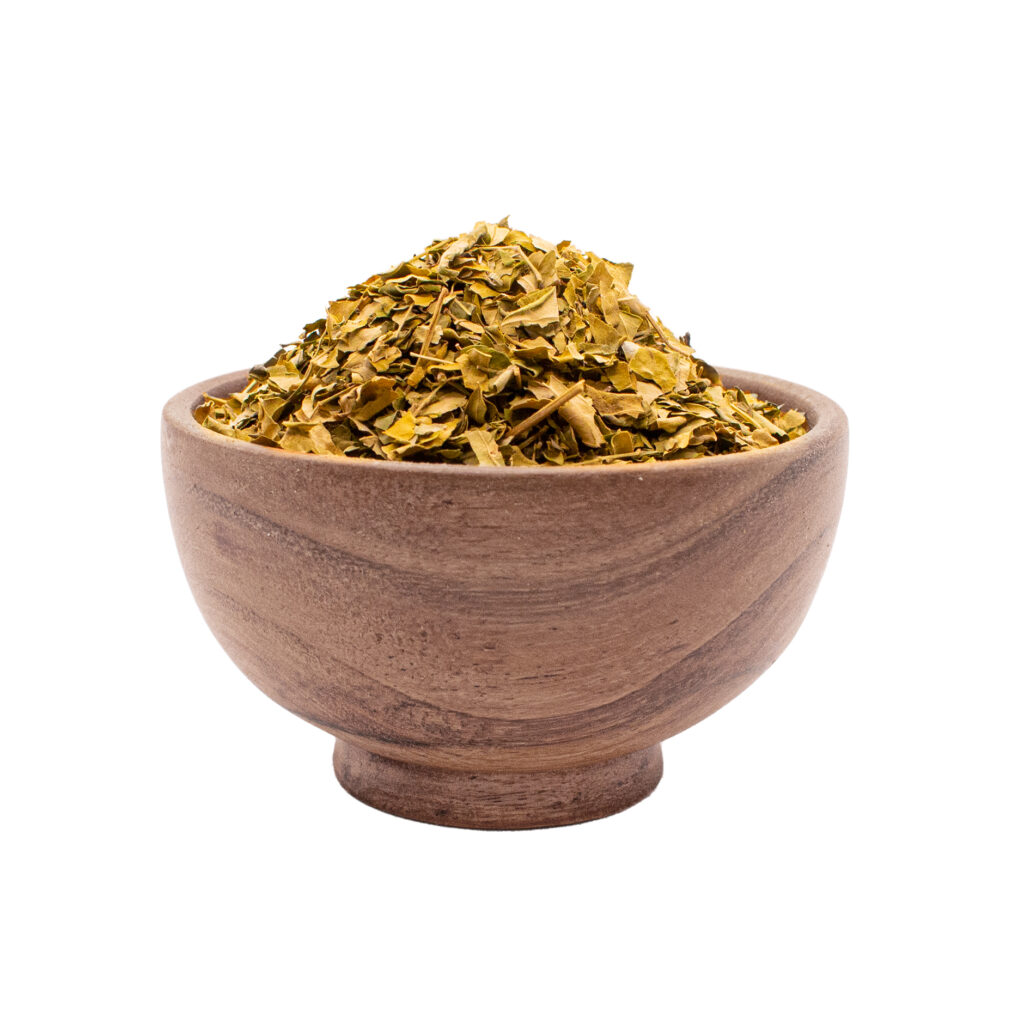
- 100% Organic
| Size | 1oz, 4oz |
|---|
Only logged in customers who have purchased this product may leave a review.
Reviews
There are no reviews yet.